Home Blog Page 522

KILL YOUR DARLINGS #1 review – The Fine Line of Reality

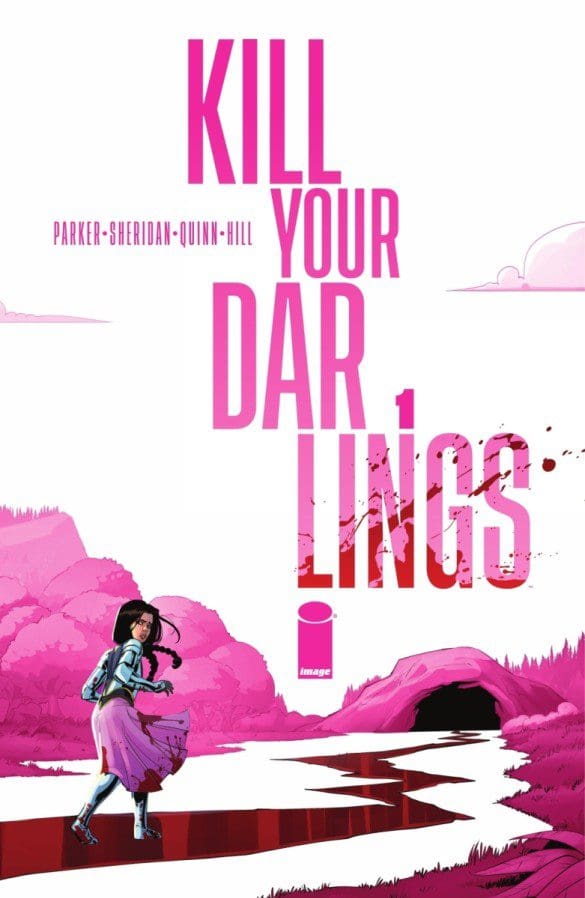
KILL YOUR DARLINGS #1 by ETHAN S. PARKER, GRIFFIN SHERIDAN, BOB QUINN and JOHN J. HILL (Credit: Image Comics)

KILL YOUR DARLINGS #1 by Image Comics via KLC Press

Creative: ETHAN S. PARKER, GRIFFIN SHERIDAN, BOB QUINN and JOHN J. HILL

Welcome to an all new edition of Parlay Points, the comic boom review blog to the ODPH podcast!

For this edition, we’re checking out a new series coming out from Image Comics by way of KLC Press. The imprint has been making some noise as of late with series like Vanish and The Schlub winning over fans at the comic shops. Now, the latest series from this line is ready to make its debut.

KILL YOUR DARLINGS #1 by ETHAN S. PARKER, GRIFFIN SHERIDAN, BOB QUINN and JOHN J. HILL looks to keep the hot streak of hit series going. Let’s take a deeper dive into this premier issue, shall we?

KILL YOUR DARLINGS #1 by ETHAN S. PARKER, GRIFFIN SHERIDAN, BOB QUINN and JOHN J. HILL (Credit: Image Comics)

*** POSSIBLE SPOILER WARNING ***

The story begins in 1692. A young girl is tied to a stake, pleading for her life. The mob watching isn’t welcoming the idea. Readers look on as the girl’s pleads fall on deaf ears as the stage is hit on fire.

The story shifts gears to a brighter time with an army of armored animals ready to brace for the fight ahead. They are addressing their queen, who is fully prepared to lead her troops into battle. As she unsheathes her blade, the time period jumps to 1995 where an eight year old girl named Rose is playing with her stuffed animals. Her “quest” leads her to where her mother is handling bills. Rose asks her mother to join in on her “fight” but real-world problems are taking a higher precedent.

MORE FROM IMAGE COMICS!

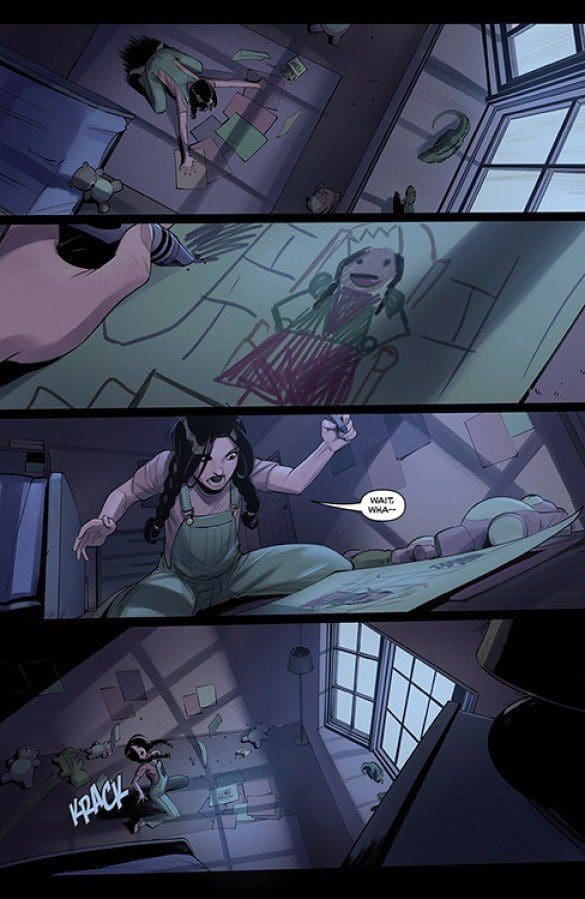
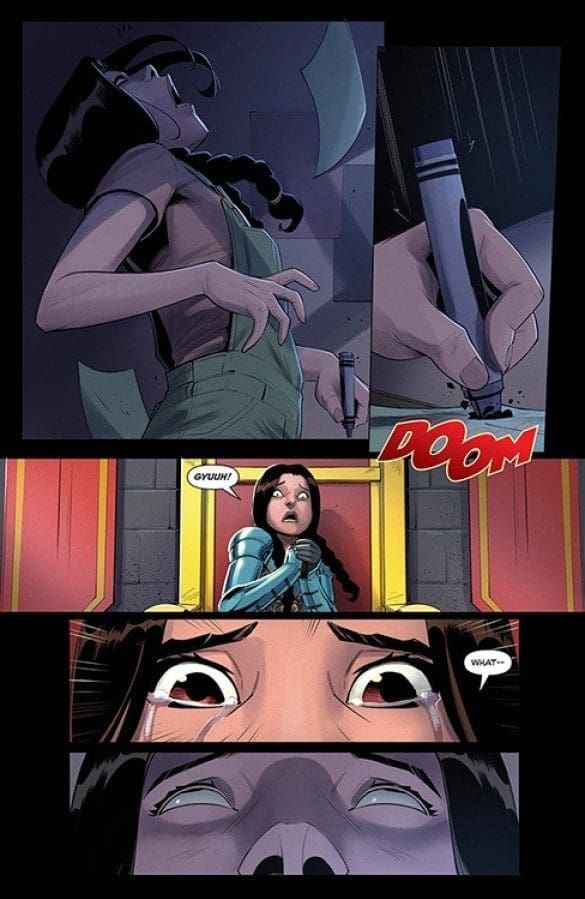
As the battle winds up and Rose returns home from school the next day, she’s looking to play again. However, there is nothing giving a happy vibe to Rose’s world on this day. Something happens this go-around that no one is expecting. Rose is transported into her fantasy realm. This trip, things have gone very grim.

What happened to “The Kingdom Of Rosewood”? How does Rose handle this latest threat? The journey just begins as the lines blur between imagination and reality. Even when the story starts taking off, the final pages leave no room for mis-interpretations as the mystery begins to change directions before it starts.

KILL YOUR DARLINGS #1 by ETHAN S. PARKER, GRIFFIN SHERIDAN, BOB QUINN and JOHN J. HILL (Credit: Image Comics)

Parker and Sheridan weave quite the engaging tale with this debut issue. The pacing gives enough balance to where Rose’s worlds of reality and fantasy can make their marks while keeping readers guessing. The book kicks into high gear with the actions of one fateful night.

At that point, the writing duo play into the fairytale aspects with the “big bad” slowly making their Prescence felt. One can guess this ties into the beginning moments but (as with every great story), readers will have to wait and see the connection there. The closing moments give a chilling close to what is sure to be a saga like no other.

LOCAL MAN STRIKES AGAIN!

Quinn and Hill balance the light hearted imagination moments with the dark and brooding panels with ease. The team constructs an imaginative world that conceals the dangers lying ahead. Once the moment where Rose sees her “kingdom” come crashing around her, the art takes a swift change in tone to reflect the growing terrors unfolding.

The prime examples of this are Rose’s drawings. With the use of full page panels, the truth of her world have turned grim and violent. The art builds the heightened fear up and adds more to the shocking final page. It’s very creative in set-up and fans will be impressed with what they see.

FINAL POINT: 9 OUT OF 10

For fans of fantasy mixed with a touch of horror, the latest series coming out of KLC Press and Image Comics is one to check out. Excellent writing and creative imagery usher in a story that will question the line between dreams and nightmares. You won’t want to miss this on New Comic Book Day!

Hit me up on ODPH Social media and let me know your thoughts about Kill Your Darlings #1. Thanks for reading Parlay Points on Nerd Initiative!

Check Out More Content From ODPH HERE

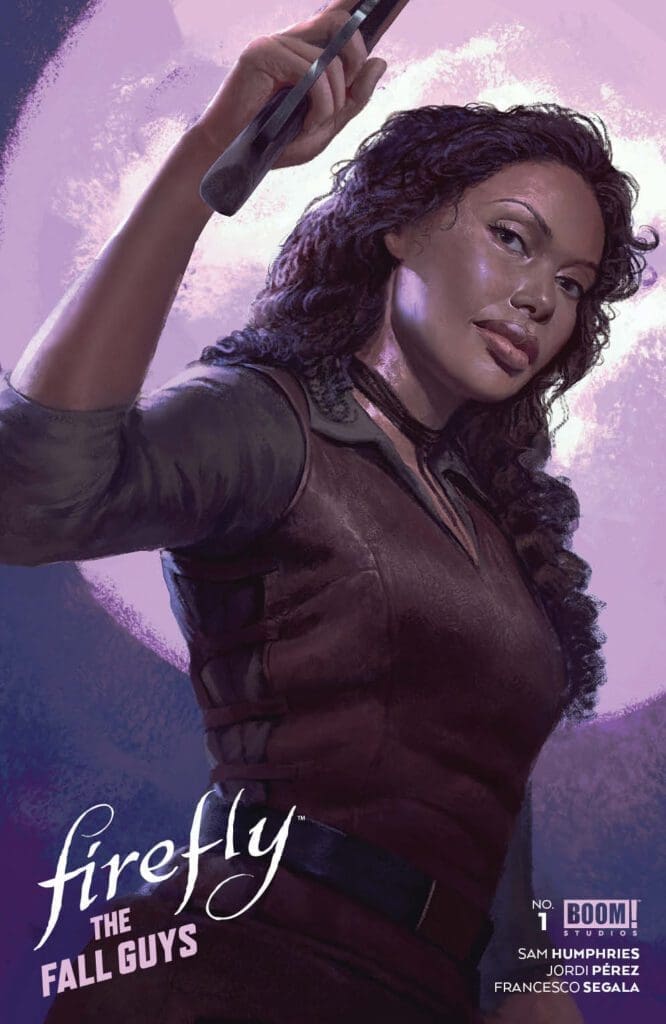
Firefly: The Fall Guys #1 – Crime Of The Century

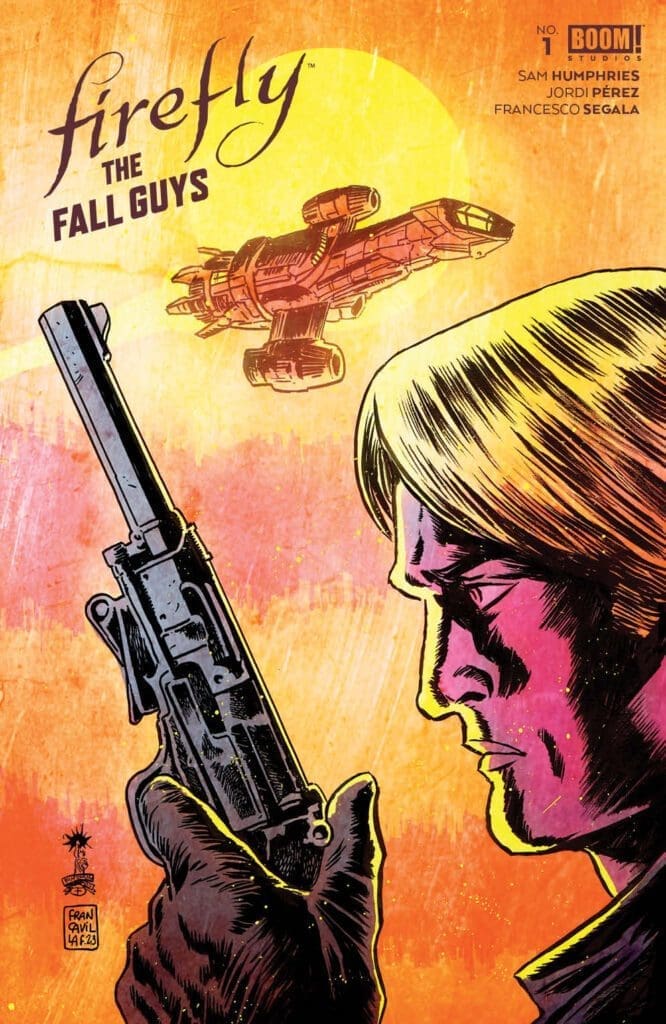
Firefly: The Fall Guys #1Boom! Studios

Credit: BOOM! STUDIOS

Creative Team: Sam Humphries, Jordi Pérez, Francesco Segala, & Jim Campbell (Color Assists By: Gloria Martnielli & Cover By: Francesco Francavilla

Welcome to another New Comic Book Day review from the N.I. Bullpen!

If you were a fan of the show Firefly, then like me you were heartbroken when the show was canceled. Fortunately for us fans, the folks at Boom! Studios have helped to keep the franchise alive in comic book form! From old characters you know and love, to brand new fresh faces you’ll come to know in the future, the Firefly franchise continues to captivate old and new fans alike. 

Let’s take a look at the latest new storyline in Firefly: The Fall Guys #1 from Boom! Studios!

**POSSIBLE SPOILERS AHEAD**

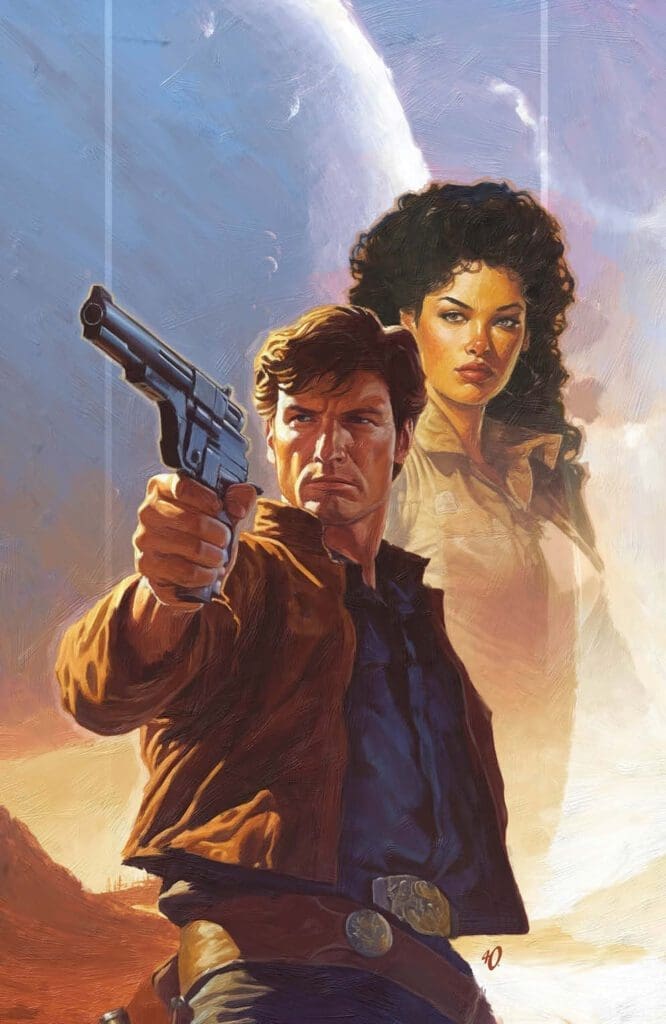
Cover B Florentino Variant Copyright
Credit: BOOM! STUDIOS

Hoodwinked Into A Meeting

The issue opens up with the Serenity having just landed. Soldier Zoe Washburne and newly instated captain of the Serenity Kaylee Faye are off to meet a potential client about a mission. Zoe expresses trepidation, but Kaylee reiterates that they can’t be picky about jobs right now since they really need money.  

They enter a tavern or the meeting, only to be met with guns drawn as they enter. It turns out that one of the people there, Amber Archambeau, actually tricked the Serenity crew with the promise of a paying job. The two groups have a history and as Zoe and Amber trade threats back and forth, a bandit in the bar named Leonard Chang-Benitz, steps in and evens up the numbers for our protagonists.

Just as Amber laughs and says she still likes the odds, the bartender, Inara Serra, who also happens to be a member of the Serenity crew reveals that she has actually been serving Amber poison in her drinks for the past 2 hours. Inara is the only one with an antidote.

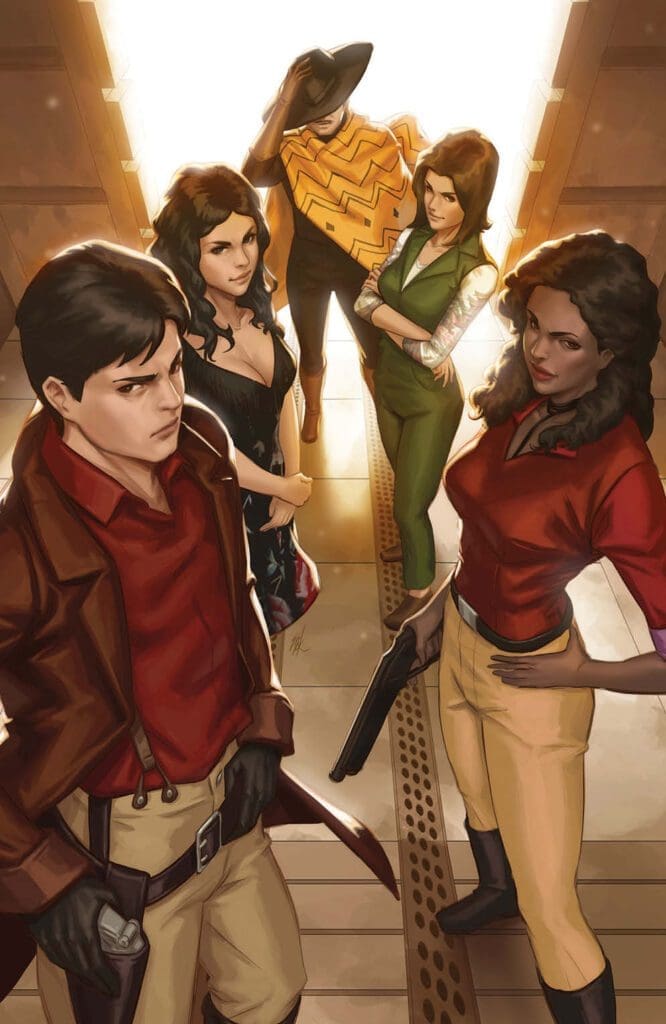
Cover E 1:50 Olivetti Variant Copyright
Credit: BOOM! STUDIOS

At the same time, another of Amber’s crew reveals that they have the former captain of the Serenity, Malcolm Reynolds, held captive. She thinks he is asleep on the piano, but he had set up a decoy and was actually INSIDE the piano. The numbers are now firmly in the Serenity crew’s favor.

The Job

After all the craziness of the standoff, it turns out that Amber really does have a job for Kaylee and her crew. She wants them to steal a mine. No not something like a landmine that you could carry, she means an actual mine, the Yellow Shale Mines further up the mountain near town.

Rather than literally stealing the physical mine itself, they are instructed to steal a safe from the land office in town that contains the deeds to the mine in question. If the crew of the Serenity can steal the proof of ownership, then Amber and The Alliance can move in without any trouble to take over the mining operation.

Rather than just stealing the one land deed, Amber needs them to steal the entire safe, so as not to raise suspicion. On top of that, since these two particular crews hate each other, no one would believe that they teamed up to pull off the heist. In Amber’s words, “Easy gig for easy money.”

Cover D 1:25 Ejikure Variant
Credit: BOOM! STUDIOS

Complications Already

Just as they are about to agree to the job, an Alliance security officer bursts through the door, ordering everyone to leave. They head outside and see that Alliance officers are everywhere, evidently there is a dignitary in town. With all the extra security around town, the “easy gig” just became much more complicated.

As the crew discuss how they are going to pull off this job, they notice a ship, and not just any ship. The “fancy dignitary” they had heard was in town was not just any official. The ship belongs to the Prime Minister of the Universal Alliance.

With such a high profile person around, the added security is going to be intense. The crew at first starts to think they are going to have to call off the job. Kaylee has other ideas. She reasons that with the security forces so focused on the Prime Minister, then no one will be paying attention to them.  The crew is convinced.

Need More From Boom! Studios? Click HERE

The Land Office

The crew’s plan is put into motion. Malcolm and Inara distract a guard outside the land office and Leonard knocks him out. The trio rush upstairs to the office and begin to pick the lock on the door. 

Meanwhile, Zoe and Kaylee are talking through the situation. Zoe is embarrassed that she had to rope the crew into a job in order to help her feed her daughter. Kaylee reassures Zoe that everyone in the crew looks out for each other. They also go into who Prime Minister Hamner is and how she became the head of The Alliance.  

The pair get their signal that the rest of the crew is ready for help with the safe. As they work out how to go about getting the safe out of the land office without being seen, Zoe draws Malcolms attention to the window. The street is lined with guards on both sides. They figure that this must be Prime Minister Hamner’s route she is going to take through town, which presents the crew with a rare opportunity. 

Zoe and Malcolm begin to toy with the idea of assassinating the Prime Minister. They have the perfect vantage point for an ambush. They are even close enough to the street that they would be able to take her out with a shotgun or pistol. This would bring the Alliance to its knees.

Just then, Leonard gets fed up with the safe and decides to blow it open.

Yellow Shale

Rather than land deeds and paperwork, the safe is actually full of Yellow Shale, enough of it to make the crew exceedingly rich. The plan was “to be moderately underpaid” and now they are presented with a literal fortune.

As the crew debate on what is going on they come to a realization. They are on a job given to them from a rival crew, they are in the perfect position and vantage point to assassinate the Prime Minister, and they have a safe full of Yellow Shale they can’t move. They are in the process of being set up. Amber and her crew plan to shoot the Prime Minister and make it look like the Serenity crew did it.

Amber’s crew member Blue Jean Baby is on the floor directly beneath the Serenity crew. She has her rifle’s laser sight set on the Prime Minister’s head as she is driven through town. The Serenity crew knows they are about to framed for the crime of the century, and there is nothing they can do to stop it from happening.

The final scene is the laser dot on Prime Minister Hamner’s head, we see a “BANG” and that is how issue 1 comes to a close.

New Comic Book Day Reviews Every Week HERE

Story Review

Humphries is keeping the Firefly franchise going strong with this first issue of a brand new storyline. The story and characters feel new, yet familiar as our favorite crew of space pirates embark on yet another adventure. 

The stakes are high for the crew of the Serenity in this first issue. Like usual the crew is flat broke and in need of income and they happen to get a job right when they need it. It’s not an ordinary heist job though as things escalate quickly into a scenario with universe wide repercussions.

There is also a subplot going on with Zoe as she struggles with taking care of her daughter amidst pirating and being a fugitive from justice. She feels like a bad mother, but Kaylee reassures that the crew is family and family looks out for each other. It will be interesting to see how Zoe manages the epic scale of events while simultaneously trying to maintain her family.

This is shaping up to be an incredible run so far and personally, I can’t wait to see how the crew is going to handle this situation moving forward.

Artwork Overview

Pérez and Segala do an amazing job with the artwork in this issue. The world of Firefly has always been a little gritty and dirty feeling. This is no exception, and the “old west” vibes are HEAVY in this series. 

The color pallets are dim and neutral, which in many cases could make for uninteresting panels, but that is not the case with this book. The fact that none of the colors really “pop” actually works to keep you focused on the story. It also makes you really want to examine the environments, since nothing truly stands out or distracts, it gives the reader an excuse to slow down and examine each panel closely for the full details.

Overall Score: 8 OUT OF 10 – “Must Pull”

Firefly fans have been deprived of content for a long time up until a few years ago. After the show was canceled and the Serenity film was released, many of us fans were left wanting so much more from the franchise.  

Luckily for us, Boom! Studios is here keeping the fire burning for Firefly fans both new and old. We may not be getting any new episodes any time soon, but we can rest easy knowing that there is still a massive amount of content for us to consume in comic book form.

So, if you are a Firefly fan and are looking for new content and stories in the franchise, then I highly recommend picking up Firefly: The Fall Guys #1 from Boom! Studios this week on new comic book day!

As always everyone Be Safe, Be Kind, and Take It Easy!

Check Out More From JJ HERE

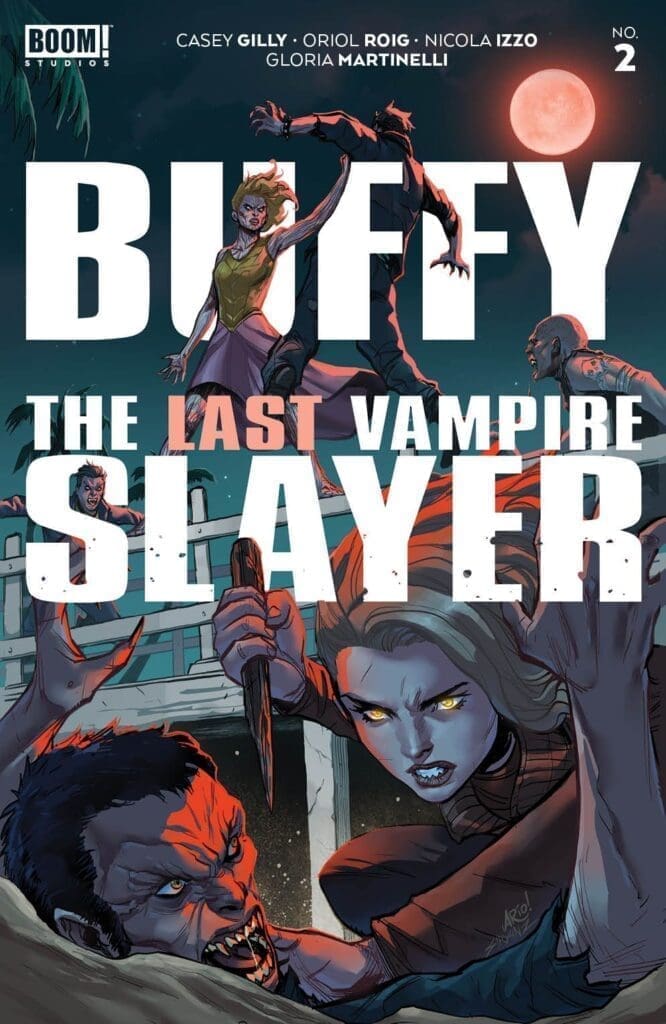
BUFFY THE LASY VAMPIRE SLAYER #2 REVIEW – A dark new world

0
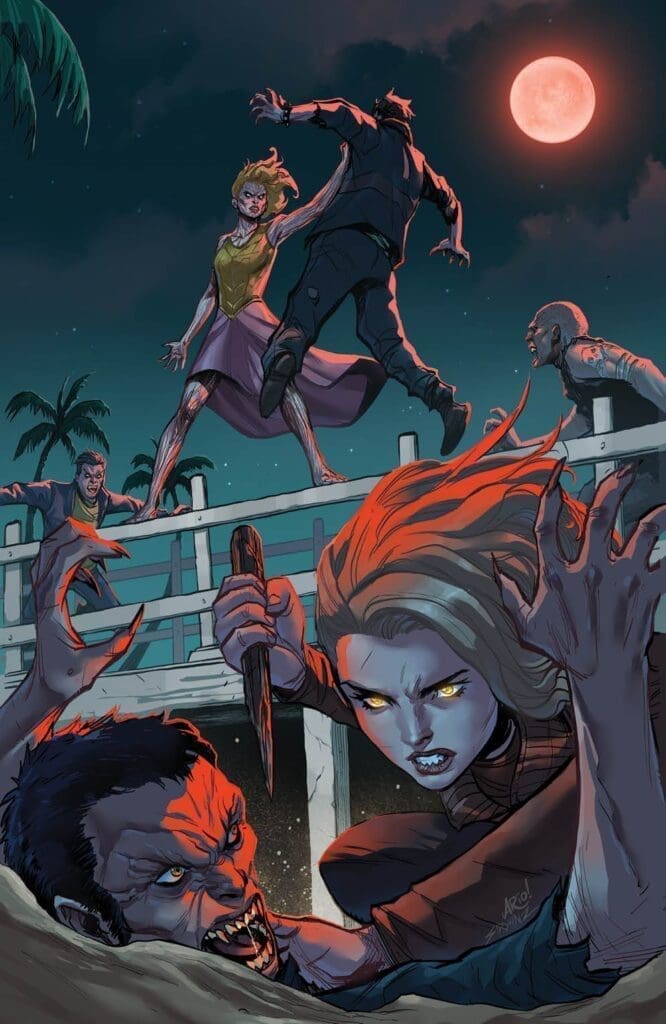
Buffy the Last Vampire Slayer #2 by Casey Gilly, Oriol Roig, Nicola Izzo, Gloria Martinelli, and Ed Dukeshire. (Credit Boom! Studios, Cover by Ario Anindito

BUFFY THE LASY VAMPIRE SLAYER #2 – BOOM! STUDIOS

Creative Team:

Writer: Casey Gilly

Illustrator: Oriol Roig and Nicola Izzo

Letterer: Ed Dukeshire

Colorist: Gloria Martinelli

Let’s Talk Plot: PREVIOUS ISSUE

Issue 2 picks up with a mysterious tale of Edwin Stanley who wants all the power he can imagine and to build up the town of Santa Carmen into a booming town. He resorts to summoning a demon and this is where his story leaves off as we see Anya studying as Thessaly interrupts her.

Meanwhile, Buffy is still struggling mentally as Spike takes her out shopping to help her realize she never had a chance to mourn all of the things she lost over the times she has died.

As Thess and Anya investigate and come upon a creature Thess is in a rush to meet Cora for a date night which turns into a game of hide and seek with her brother’s friends leaving Thess in a fit of rage.

Anya picks her up after reaching out to Buffy who cannot come to terms with her new role as the watcher just yet culminating in Thess storming out telling Anya she is no longer the Slayer.

Buffy the Last Vampire Slayer #2 by Casey Gilly, Oriol Roig, Nicola Izzo, Gloria Martinelli, and Ed Dukeshire. (Credit Boom! Studios, Cover by Ario Anindito. Variant covers by Suspiria Vilchez and DANI

The Art:

Roig, Izzo, and Martinelli shine in this issue as the team really hammers home the emotions both Buffy and Thessaly are feeling. They convey the fits of sadness and range from both ends of the spectrum at times when no words are needed.

Their use of shadows and coloring in this issue is a stand out for me and they continue to provide intensely fine work in this issue.

The Writing:

Gilly and Dukeshire compliment their art team by giving our characters complex issues. This shows that Buffy is still struggling with her past and her new role while Spike is doing his best to help her come to terms with it.

Meanwhile, the writing with Thess who is being micromanaged and finding her way into a relationship as the Slayer is telling a gripping tale in this new series.

Final Thoughts:

Issue 2 continues to bring the reader deeper into the new world of Buffy. There is a compelling story and complimentary artwork that sucks the reader in from the jump. Fans of Buffy should be picking this up each month as it delivers the characters we love with a fun and mysterious new tale.

GRADE: 4/5 Cigars
FOR MORE FROM MATT FROM HOPS GEEK NEWS

BATMAN #137 review – Gotham City on the breaking point

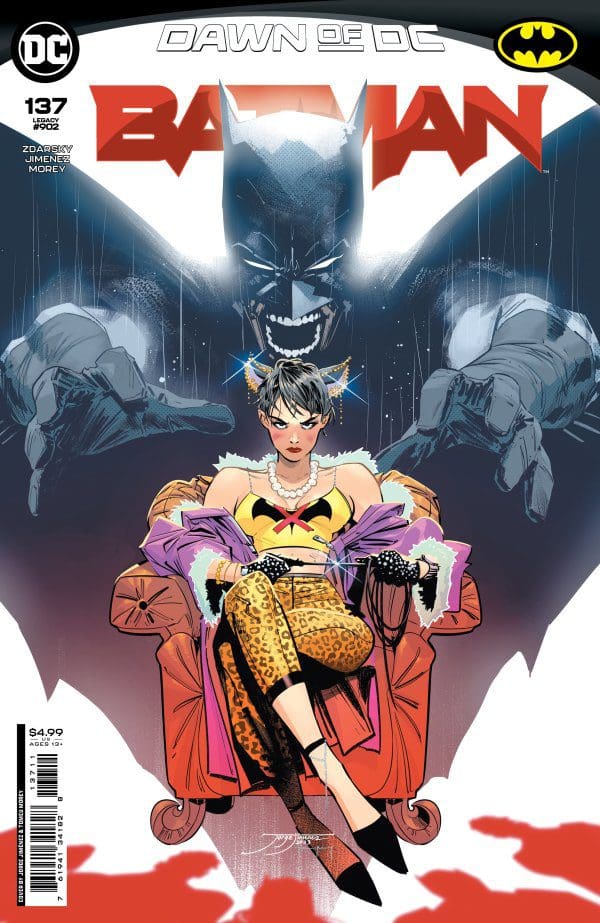
Batman #137 by Chip Zdarsky, Jorge Jiménez, Tomeu Morey, and Clayton Cowles (Credit: DC Comics)

BATMAN #137 by DC Comics

Creative: Chip Zdarsky, Jorge Jiménez, Tomeu Morey, and Clayton Cowles

Welcome to an all new edition of Parlay Points, the comic book review blog to the ODPH Podcast!

For this entry, Gotham City has been officially declared a warzone as DC Comics’ most dangerous city gets caught up in a game of cat and mouse …. or should we say “Cat and Bat”?

Fresh off a buzz-making debut chapter, Batman #137 by Chip Zdarsky, Jorge Jiménez, Tomeu Morey, and Clayton Cowles continues to give fans prime seats as the implosion of the bat family continues! let’s take a closer look as the drama unfolds, shall we?

*** POSSIBLE SPOILER WARNING ***

THE GOTHAM WAR BEGINS HERE!

From the fallout of “Knight Terrors”, Batman has exhausted himself past his own limits. The result is Bruce Wayne has been “asleep” for a LONG time. When he awakens, Gotham City is a different place. Crime is down significantly. The cause is an initiative taken that brings up a question of ethics to the Caped Crusader. The person behind the movement makes it even that more complex: Selina Kyle aka Catwoman.

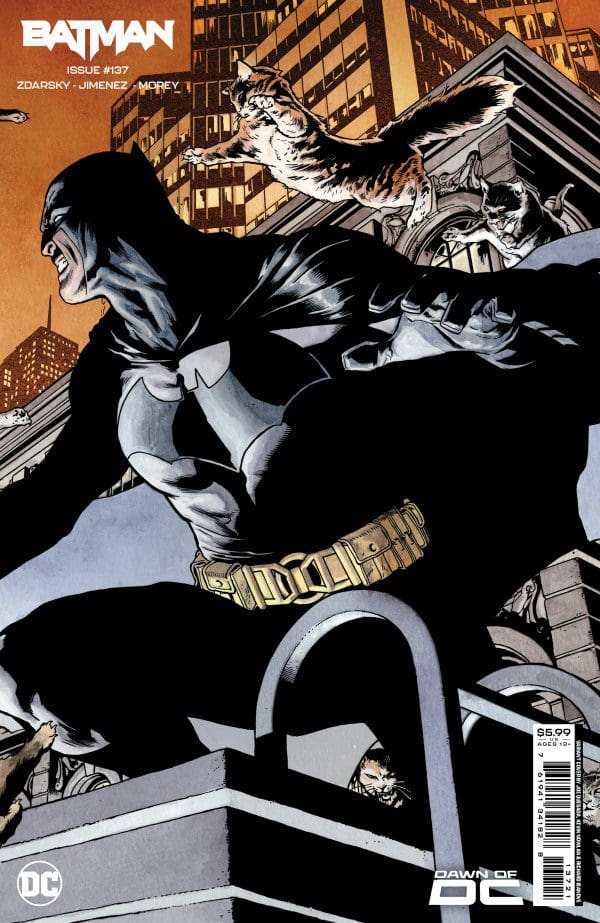
Batman #137 by Chip Zdarsky, Jorge Jiménez, Tomeu Morey, and Clayton Cowles (Credit: DC Comics – Cover: Joe Quesada)

While Bruce has been away, Selina has been secretly training the “henchmen” or lower-level criminals of Gotham certain burglary skills with a code. The targets are only the rich. Batman doesn’t agree with the “Robin hood” method but Selina isn’t backing down from her stance. Due to their complex history and current relationship status, lines are being drawn about if this is right or wrong.

However, one pupil named Roland Garner get murdered in an attempted robbery which makes Batman declare this movement is officially over. Making matters even worse is Batman’s back-up personality, Zur-En-Arrh, has been unlocked with him so broken over recent events. This does not bode well for all parties involved as War is coming to Gotham with no good outcome to follow.

DON’T MISS THE PENGUIN!

This chapter begins with a couple of Catwoman’s students honing their craft in a luxury apartment complex. As they begin their work, Batman is waiting inside for them. Citing Garner as a symbol for his actions, Batman easily disposes of the pair, saying “Nobody Dies Today”!

Readers quickly see how Batman (under the influence of Zur-En-Arrh) starts to attack Selina’s forces. The impact is felt immediately leaving Selina to retaliate in a manner that won’t sit well with Batman. All the while, the various members of the Bat Family are trying to make sense of this all.

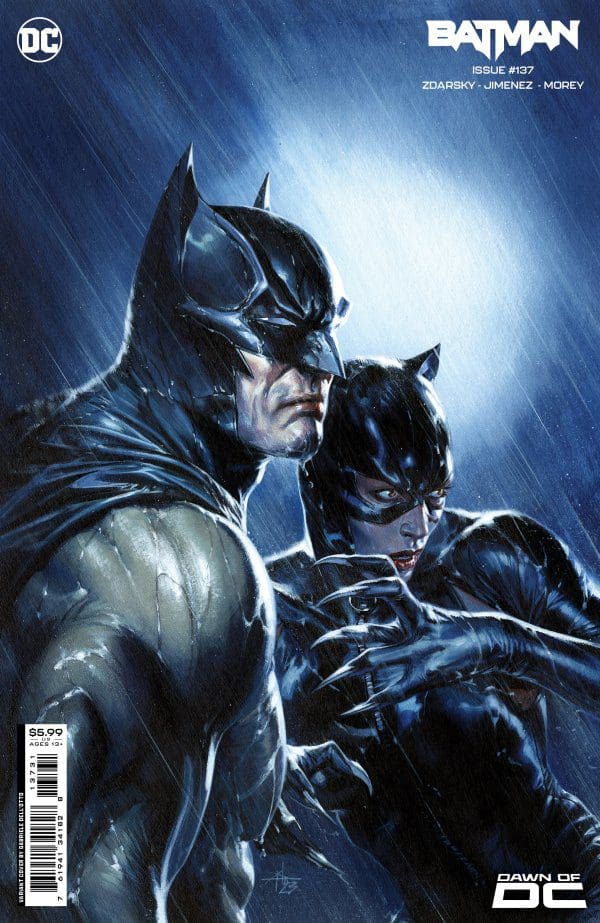
Batman #137 by Chip Zdarsky, Jorge Jiménez, Tomeu Morey, and Clayton Cowles (Credit: DC Comics – Cover: Gabriele Dell’Otto)

Events start unfolding as the dangerous game of chess starts escalading even further. The action doesn’t slow down as Batman continues to try hanging onto his vision of Gotham, no matter who is in his way. Just when readers think they know what’s going on, the final page will be a shocking reveal as another major player has entered the game.

Zdarsky continues to slowly feature the breaking of the Bat in this latest chapter. With Zur-En-Arrh pulling the strings, it adds another layer to Batman’s complex paranoia. The pacing sets up a solid build to the heart of the issue. The ally she has acquired sets up the issue’s standout moment.

CHECK OUT BLACK HAMMER!

Considering their history, Selina plays off whatever Bruce throws in her direction with a heightened awareness of what’s needed to be done to win. It is no surprise at the personal angle she plays to get the upper hand. Its’ fallout plays into the lines divided but what a great surprise from the final page. It’s suffice to say this battle is far from over.

Jiménez unleashes Batman’s most feared personality with a distinct intensity. From the opening pages, the force of Batman’s unforgiving attacks make a big imprint with readers.

It’s countered nicely by Selina’s reacting and responding plays. The action panels come with a great deal of high energy mirroring the frenzy of Batman’s onslaught and warning on those standing in his way. Readers will be excited when other notable names make their marks in this issue. That said, none will be bigger than the shocking debut into this story featured on the full panel page to set up the next chapter nicely.

FINAL POINT: 8 OUT OF 10

The battle of Gotham rages on with an excellent second chapter. The pace is set early building the tension up to a great breaking point with the art and writing. The final page will have fans guessing as to where we head from here, but there’s no doubt this story is one to watch.

Hit me up on ODPH social media and let me know your thoughts on Batman #137. Thanks for reading Parlay Points on Nerd Initiative.

Check Out More Content From ODPH HERE

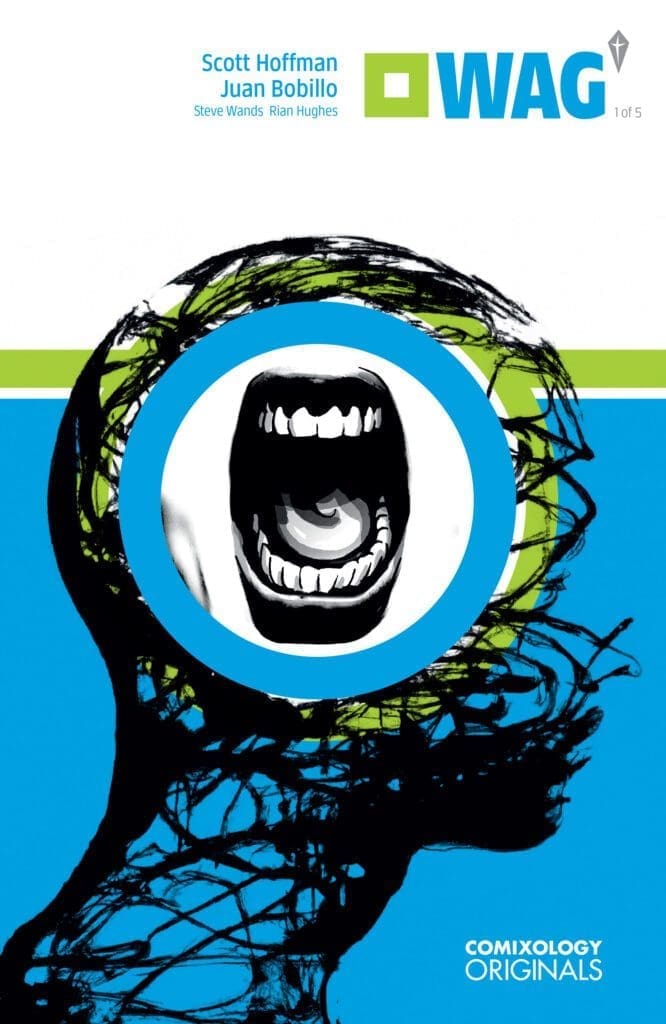
WAG #1 (Comixology Originals) – Can society survive without tech?

Wag #1 by Comixology Originals

Creative Team for Wag Issue #1: 

Writer: Scott Hoffman

Artist: Juan Bobillo

Letterer: Steve Wands

Designer: Rian Hughes

Editor: Greg Lockwood & Will Dennis

Images courtesy of Comixology Originals.

WAG #1 Review – (POSSIBLE SPOILER WARNING)

If I had to sum up this first issue in one sentence: Jason Bourne in the apocalypse with no technology, some mental health issues and childhood trauma, with a touch of the supernatural. At this point, I have no clue how much is spot on, and how much is just yet to be uncovered. Most likely the latter. 

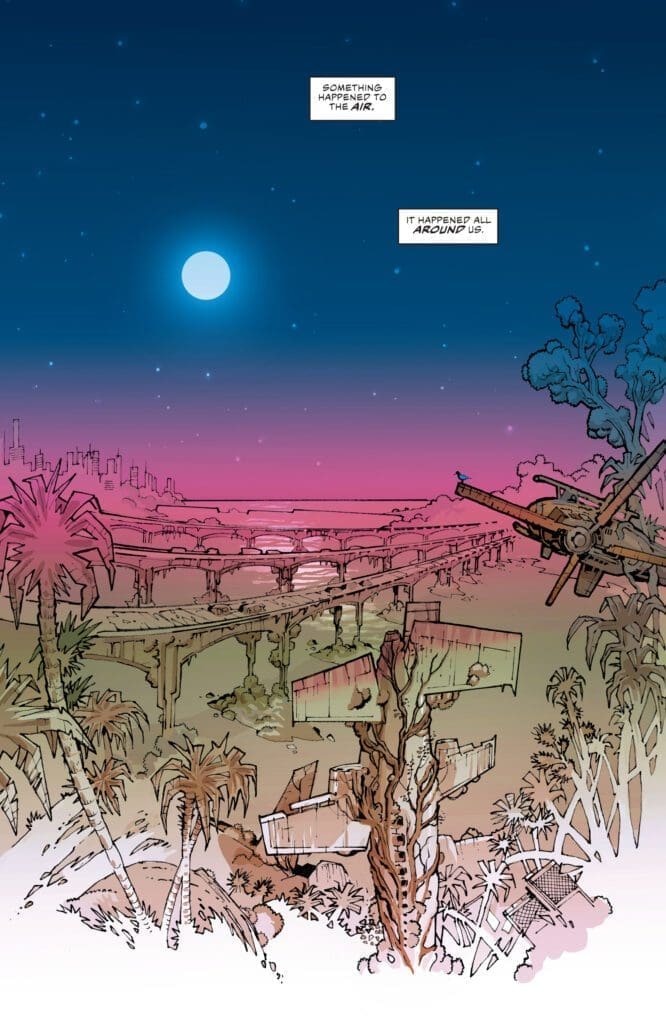
We open on what looks like a calm and beautiful view. However, taking a closer look it’s clear we’re looking at a dystopian future. Immediately we learn phones and the internet are a thing of the past, and society shockingly did not handle it well. Emphasis on sarcasm

Images courtesy of Comixology Originals.

Our main character, Wag, appears to be just surviving. Of course, that never lasts long in the apocalypse. When he teams up with an unlikely friend, you think you know where the story is headed, but as more unfolds, we have no idea.

Wag has the combat reflexes of Jason Bourne, and flashes back to terrible memories of his childhood. It seems he has not ventured too far from his home base since society fell, but with his new friend, and sudden need to replenish something he lost in a fire, he sets off outside of his bubble. 

More is going on than we realize

Throughout the story there are flashes of what could be deemed supernatural, or simply all in his head. He also hears voices, which could be an implant in his head from the past, or something more. These are some of the mysteries that I look forward to learning the truth behind. It could even be a little bit of everything.

Wag struggles internally, and the audience is right there with him. Another mystery are birds. Throughout this issue we see birds. Some subtle, and some not so subtle. Their significance is another mystery that I look forward to learning. 

Check out another review from Lauren: The Hunger and the Dusk.

The Art

There’s often something pure and beautiful about seeing a dystopian future where mother nature has begun to take back what is her’s. Plants growing inside a vehicle. Vines growing up the side of a building. Nature returning. It almost presents moments of hope in an otherwise terrible situation. The art here does that well. It’s calming at times despite the violence and fear. The colors give an almost watercolor feel, while still being very detailed, and moving the story along.  

Rating: 8/10

This first issue opened up a lot of mysteries. I look forward to learning more, and seeing how this all plays out. Clearly, Wag has a very interesting and dark past that needs to be told. 

For more from Hops GEEK News.

https://youtube.com/shorts/mKHoNTM846o?si=h8jhAeeQkUtOKORT

Did You Know? Mortal Kombat: Facts, Fatalities, and Fun!

Mortal Kombat has been a staple in the gaming industry since its release in 1992. Known for its brutal fatalities and iconic characters, the franchise has become a fan favorite for gamers worldwide. However, there are some things about Mortal Kombat that even the most die-hard fans may not know.

In this article, we will delve into some of the lesser-known facts about Mortal Kombat. From its humble beginnings to its current status as a cultural phenomenon, we’ll explore the history of the game and its impact on the gaming industry. So pick up those sticks, and get ready to learn some things you never knew about Mortal Kombat.

History of Mortal Kombat

Origins

Mortal Kombat is a popular fighting game that was first introduced in 1992 by Midway Games. The game was created by Ed Boon and John Tobias, who were both working at Midway at the time. The concept for the game was developed after Ed Boon saw a demonstration of a game called Street Fighter II at a trade show. He realized that there was a gap in the market for a more violent and graphic fighting game, and Mortal Kombat was born.

The game was initially released in arcades, and it quickly gained a cult following. The game’s popularity led to several sequels and spin-offs, including Mortal Kombat II, Mortal Kombat 3, and Mortal Kombat: Deadly Alliance.

Development Journey

Mortal Kombat’s development journey was not without its challenges. The game was initially rejected by several publishers due to its violent content and graphic nature. However, Midway Games eventually decided to take a chance on the game, and it turned out to be a massive success.

The game’s success was not without controversy, however. Mortal Kombat was criticized for its violent content, and it was even banned in some countries. The controversy surrounding the game led to the creation of the Entertainment Software Rating Board (ESRB), which is responsible for rating video games based on their content.

Despite the controversy, Mortal Kombat continued to be a popular franchise, and it has since spawned movies, comic books, and even a television series. The game’s popularity has also led to several crossovers with other popular franchises, including DC Comics and the WWE.

Overall, Mortal Kombat’s history is a testament to the power of innovation and risk-taking in the video game industry. The game’s creators took a chance on a new concept, and it paid off in a big way.

Toasty!

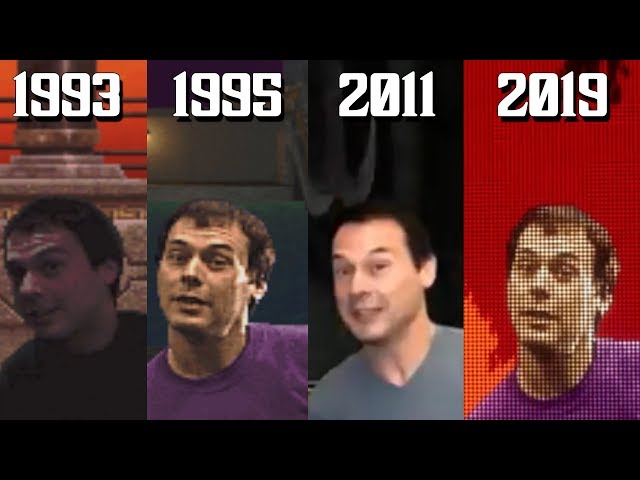
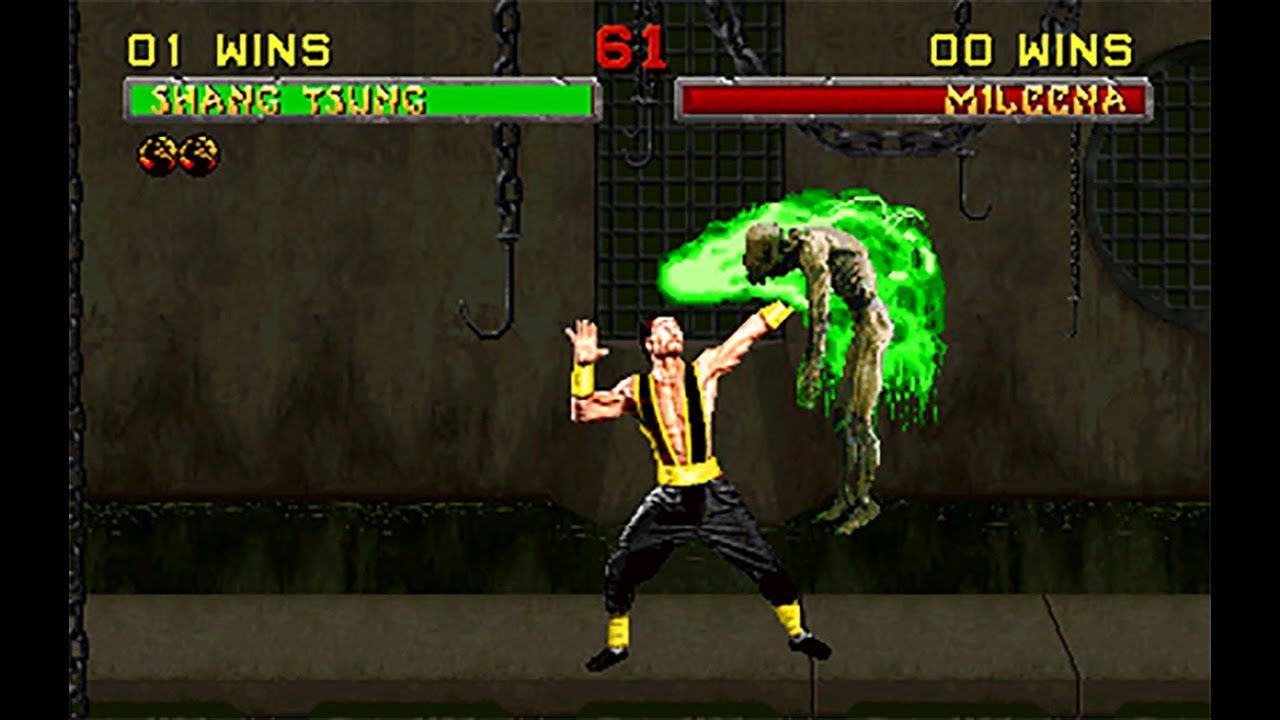
Sound designer Dan Forden is the face you see and the voice you hear in the bottom right hand corner of the screen in Mortal Kombat 2 and beyond when big attacks are unleashed. When playing games among the development team, Dan was infamous for his trash talk and taunting. When playing Super High Impact Football, Forden would proclaim “I predict toast” before a play. That would evolve into “Toasty” and Ed Boon loved it so much that he wanted it in their game!

Fatalities

One of the most iconic aspects of Mortal Kombat is its brutal and gory finishing moves, known as “fatalities.” These moves are typically performed at the end of a match, and involve the winning player performing a gruesome and often over-the-top attack on their opponent.

The feature was actually inspired by Street Fighter 2. The “dizzy” effect was something that game developers really liked, but they weren’t too keen on the idea of it being in the middle of a fight. The creators would decided to move it to the end of a fight and make it even more interesting with a violent twist!

Controversies and Bans

Mortal Kombat has been a controversial franchise since its inception, with many countries and organizations banning or censoring the games due to their violent content.

One of the most well-known examples of this is the “Mortal Monday” controversy in 1993, when the first Mortal Kombat game was released for home consoles. The game’s violent finishing moves, called “fatalities,” led to calls for it to be banned, and several countries, including Germany and Brazil, did ban it.

In the United States, Mortal Kombat was the subject of a congressional hearing in 1993, where it was criticized for its violence and accused of contributing to real-world violence. The controversy led to the creation of the Entertainment Software Rating Board (ESRB), which rates video games based on their content and age-appropriateness.

Since then, Mortal Kombat games have continued to be banned or censored in various countries. For example, Mortal Kombat X was banned in Pakistan in 2016 for “excessive gore,” and Mortal Kombat 11 was temporarily banned in Indonesia in 2019 for “violence and gore.”

Despite these controversies, Mortal Kombat remains a popular franchise, with millions of fans around the world.

Trivia and Lesser Known Facts

Mortal Kombat has been around for over 25 years, and it’s safe to say that it has a lot of interesting and lesser-known facts. Here are a few trivia tidbits that you may not have known about the iconic fighting game franchise:

  • The original Mortal Kombat arcade game was developed by a team of just four people: Ed Boon, John Tobias, John Vogel, and Dan Forden. Despite its small team, the game went on to become a massive success and spawn numerous sequels and spin-offs.
  • The character of Johnny Cage was originally modeled after Jean-Claude Van Damme, but the developers were unable to secure the rights to use his likeness. As a result, they created a new character that was inspired by Van Damme but had a unique look and personality.
  • Mortal Kombat co-creator and the voice of Scorpion Ed Boon holds a world record for the longest serving voice actor of a video game at 20 years!
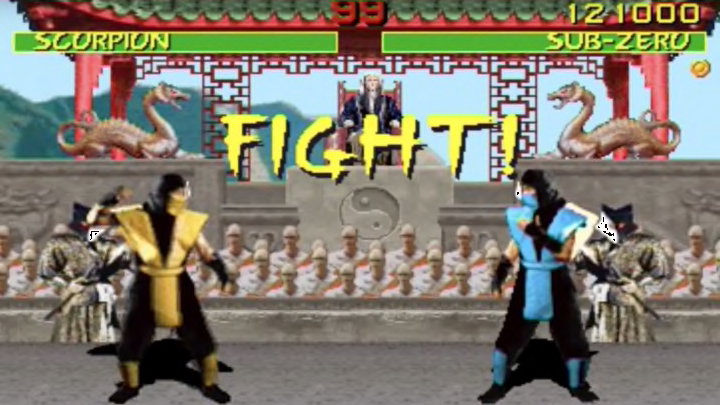
  • Sub-Zero has been the only character to appear in every single Mortal Kombat game. He’s been played by several different actors over the years, including Daniel Pesina, John Turk, and Keith Cooke. Each actor brought their own unique style and personality to the role, but all have helped make Sub-Zero one of the most popular characters in the franchise.
  • The original fatality would be performed only by Shang Tsung. Once a character was defeated, Shang Tsung would come down and steal the soul of the loser!

BIRDS OF PREY #1 review – Soaring to dangerous heights!

Birds Of Prey #1 by Kelly Thompson, Leonardo Romero, Jordie Bellaire and Clayton Cowles (Credit: DC Comics)

Birds Of Prey #1 by DC Comics

Creative: Kelly Thompson (CAPTAIN MARVEL, BLACK CLOAK), Leonardo Romero, Jordie Bellaire and Clayton Cowles

Welcome to an all-new edition of Parlay Points, the comic book review blog to the ODPH Podcast!

For this entry, we are checking out the latest incarnation of a popular team amongst DC Comics fans! Ever since its’ debut with BLACK CANARY/ORACLE: BIRDS OF PREY #1 in 1995, BIRDS OF PREY has continuously made its mark being one of DC’s best teams. With a primarily female-led line-up, the team has created quite a legacy now over 28 years! Now with the “Dawn Of DC” back in full swing after “Knight Terrors”, a new team has formed taking the mantle into the next chapter of their history.

Birds Of Prey #1 by Kelly Thompson (CAPTAIN MARVEL, BLACK CLOAK), Leonardo Romero, Jordie Bellaire and Clayton Cowles welcome fans to a new era of the team. It also ushers in Thompson’s DC Comics debut! Let’s not wait another second and see what this all-star line-up brings for this explosive team, shall we?

Birds Of Prey #1 by Kelly Thompson, Leonardo Romero, Jordie Bellaire and Clayton Cowles (Credit: DC Comics – Cover: Chris Bachalo)

*** POSSIBLE SPOILER WARNING ***

THE GOTHAM WAR KICKOFF REVIEW

The story begins in Star City. Oliver Queen and Dinah Lance are having a discussion about Dinah’s latest mission. The details are vague, but the stakes seem to have Dinah anxious about what she’s about to do. Readers witness that Barbara Gordon (Longtime Birds Of Prey member) has been kept out of the loop. With all this tension, what could be the cause? It is revealed that something has happened to Sin, Dinah’s sister.

The search for team members begin with Dinah stopping by Gotham City. A certain caped fighter is holding her own against the League of Assassins: Batgirl (Cassandra Cain)! Dinah jumps in the fray and business is handled. Readers witness Dinah’s pitch to join on this mission and a somewhat surprise reaction from Batgirl.

From here, readers settle in for the ride as Dinah and Cassandra go back recruiting for their mission, adding two dangerous fighters to the team” Zealot and Big Barda! Just as it seems the team is ready, a decision is made for a fifth member. It’s one that could make or break this team before they even start. The fifth choice is Harley Quinn!

DON’T MISS THE PENGUIN!

Does Harley accept? How will his team work together? Get ready as the key players appear to be lined up. The final moments drop a bombshell on what is happening here which can only guarantee that readers will be counting down the days until issue #2!

Birds Of Prey #1 by Kelly Thompson, Leonardo Romero, Jordie Bellaire and Clayton Cowles (Credit: DC Comics – Cover – Stanley Artgerm Lau)

Thompson makes a huge splash that fans new and old will can’t wait to see play out. Opening with her struggles braking away from Oracle, Thompson shows a sense of doubt in Dinah that is rarely seen. Once the reason behind the danger is reveal, it’s an instant connection with readers.

The recruitment stories play out well, building up the hype for the new team. The banter between Big Barda and Batgirl will make for a great pairing between the heroes in future issues. The addition of Zealot could prove to be the real wild-card of the team.

MORE HARLEY QUINN!

The Harley Quinn factor is a great shake-up to how the team is coming together. Thompson sets up the reasoning why in a unique way that makes the choice easier to break down. The line-up is a great one and for what lies ahead, there’s much to enjoy.

Romero and Bellaire balance the action and drama out evenly through the entire issue. Form the beginning, the art reflects how Dinah is preparing for the upcoming mission. The reactions in the conversation with Oliver connect with readers as how the stakes are high with no room for error.

The panels also showcase how Barbara not being involved is playing a big part into the overall feel of the book. This quickly shifts into the stop by Gotham and an incredible two page full spread of Dinah and Cassandra teaming up.

This is matched with a great “flashback” sequence where the coloring is flipped lighter, adding a distinct look to the mini-story break here. Solid final page reveal imagery to set the course on what is sure to be an instant hit with fans.

FINAL POINT: 9 OUT OF 10

The line-up put together is going to be one of legend in the hands of Thompson, Romero and the team. Superb writing sets the stage for an explosive mission while the art keeps leveling off the high paced action with the emotions fueling this very personal assignment. You absolutely don’t want to miss checking this book out on New Comic Book Day!

Hit me up on ODPH social media and let me know your thoughts on Birds Of Prey #1. Thanks for reading Parlay Points on Nerd Initiative.

Check Out More Content From ODPH HERE

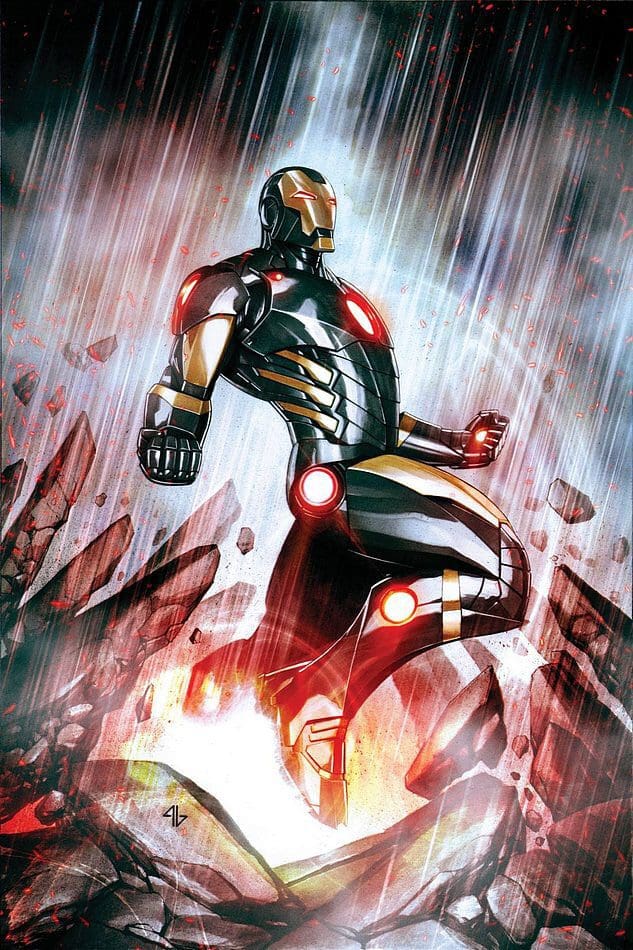
Iron Man Armor Model 42 – Back in Black!

Welcome to Paperweight Entertainment’s Hall of Armor! New armors, new multiversal Tony Starks, same great content! We’re still digging into Iron Man’s bag of tricks, each week you’re going to get to take a look at a new armor or version of Iron Man from across comics, film, and TV!

This week we take a look at Marvel NOW! During Tony’s time with the Guardians of the Galaxy, he also had a suit on Earth. The Model 42, black and gold armor was an update to the Model 13 Modular Armor. Check out the video below to learn more!

Want More “Hall Of Armor?” Click HERE

Check Out More From Derek HERE

We’re giving away a Tom Welling Smallville signed Superman photo – How to Enter

0

Welcome to the latest giveaway! It’s a new month and we have an exciting prize for you. This time, we’re giving away a Tom Welling signed photo that has been authenticated by SWAU. It’s a doozy of a prize that any fan would love to have.

Participating in the giveaway is simple. All you need to head over to the “Contact Us” page. Once you’re there, enter your name and email address and that’s it! You’re now in the running to win the Tom Welling signed photo. The winner will be announced at the end of the month, so be sure to keep an eye out for our announcement. Good luck to everyone who enters!

Key Takeaways

  • A Tom Welling signed photo authenticated by SWAU is up for grabs in the latest giveaway.
  • To participate, simply click on the “Contact Us” page and enter your details.
  • The winner will be announced at the end of the month.

Prize Details

To participate in this month’s giveaway, you have a chance to win a Tom Welling signed photo authenticated by SWAU.

This retails at around $150 and is a must-have for any Superman fan!

Good luck to everyone who enters. The winner of the giveaway will be announced at the end of the month.

Participation Method

To participate in the giveaway, you need to follow a few simple steps. First, click on the link provided in our bio. This will take you to our contact us page. Once there, enter your name and email address in the designated fields. That’s it! You are now entered for a chance to win a Tom Welling signed photo.

From Obscurity to Worldwide Craze: Comic Conventions Exposed

Welcome to an exciting history lesson on the evolution of comic conventions. Comic-cons are gatherings where fans of comic books, science fiction, fantasy, and other related media can come together to celebrate their interests, meet creators, engage in discussions, and participate in cosplay. The modern-day conventions we know today can be traced back to the 1930s when small conventions were held across the country for science fiction enthusiasts to discuss their work with their peers.

The conventions we know today started to take shape in 1939 at the New York World’s Fair World of Tomorrow, where the very first world con took place with notable creators such as Isaac Asimov and Ray Bradbury in attendance. As science fiction gained more popularity and branched off into different mediums like film, radio, TV, and comic books, comic book enthusiasts organized the first New York City Comic Con in 1964, laying the groundwork for the future of comic book conventions. In subsequent years, comic conventions evolved to become large-scale multimedia events that attract attendees from all over the world.

Key Takeaways

  • Comic conventions have evolved from small gatherings of fans and creators to large-scale multimedia events that attract attendees from all over the world.
  • The conventions provide a platform for fans to express their passion, connect with like-minded individuals, and interact with the creators and artists that have shaped the worlds and characters they love.
  • Comic book adaptations in mainstream media fueled a new massive interest in comic book conventions, setting the convention community on a new path to mainstream popularity.

Origins of Comic Conventions

Comic conventions, or comic-cons, are gatherings where fans of comic books, science fiction, fantasy, and related media can come together to celebrate their interests and engage in various activities. These events have a rich history that is closely tied to the development and growth of the comic book industry and its fans.

The modern comic convention can be traced back to the 1930s, when small science fiction conventions were being held across the country. These early conventions were very different from what we know today, as they were attended by only a handful of writers and hardcore enthusiasts who would occasionally gather to discuss their work with their peers.

The conventions we know today began to take shape in 1939 at the New York World’s Fair World of Tomorrow, where the very first world con was held. This event featured notable creators such as science fiction artist Frank R Paul, John W Campbell, Isaac Asimov, and Ray Bradbury as guest of honor. Fans could come and share their passions about science fiction as well as see their favorite authors and artists talk about their experiences and their work. The first cosplay appearances also happened during this time.

Over time, science fiction conventions continued to grow and evolve as the genre gained more popularity and began to branch off into different mediums like film, radio, TV, and comic books. In the 60s, the Academy of Comic Book Fans and Collectors was formed to publicly recognize the new industry and celebrate creators with the Alley Awards.

In 1964, a group of comic book enthusiasts organized the very first New York City Comic Con, which marked the start of a phenomenon. This convention became the foundation for future comic book conventions.

Throughout the 80s and 90s, comic conventions expanded to include not only fans but also creators, artists, authors, and publishers who used the events to market themselves and connect with their audience. As technology advanced, conventions began to include video games and other forms of pop culture such as movies, TV, and anime.

The 90s and 2000s saw the rise of comic book adaptations in mainstream media, fueling a new massive interest in comic book conventions. Today, comic conventions have become large-scale multimedia events that attract attendees from all over the world. They provide a platform for fans to express their passion, connect with like-minded individuals, and interact with the creators and artists that have shaped the worlds and characters they love.

First Worldcon and Evolution

The history of modern comic conventions can be traced back to the 1930s, where small conventions were held across the country. These conventions were different from what we know today, as only a handful of writers and hardcore enthusiasts would occasionally gather to discuss their work with their peers. There were no fans, celebrities, merchandise, or pomp and circumstance, just some really talented science fiction writers workshopping ideas and appreciating each other’s work.

The conventions we know today began to take shape in 1939 at the New York World’s Fair World of Tomorrow. This is where the very first Worldcon would take place, with a guest of honor being science fiction artist Frank R Paul. He would be joined by some very notable creators such as John W Campbell, Isaac Asimov, and Ray Bradbury. Fans could come and share their passions about science fiction, as well as see their favorite authors and artists talk about their experiences and their work.

Worldcon and other science fiction conventions would continue to grow and evolve as did the genre that they celebrate. As science fiction gained more popularity, it began to branch off into different mediums like film, radio, TV, and comic books. In the 60s, the Academy of comic book fans and collectors would form in an attempt to publicly recognize this new industry and celebrate creators with the alley Awards.

Little groups like this were starting to pop up all around the country, and in 1964, a group of comic book enthusiasts decided to organize the very first New York City Comic Con with over 100 people in attendance. It was here that very important groundwork was laid for the future of comic book conventions. Up until this point, there wasn’t an easy way for collectors to find issues they had missed to complete collections, so distributors would take this chance to sell their older back issues.

Also, Lone Ranger artist Tom Gill would have a chalk talk on how to draw for comic books. This has become the foundation for generations of Q and A’s and discussion panels. Word spread, and comic conventions were becoming popular. All the way across the country in California, another group of comic book enthusiasts decided to have found the San Diego Golden State comic Minicon.

This convention would initially focus on just comics and science fiction, but while meeting with Jack Kirby in an attempt to convince him to attend, Kirby advised them not to limit themselves and include various other fans. That advice alone probably changed the future of comic book conventions as SDCC and other cons have thrived on the inclusion of various forms of Pop Culture such as movies, TV, and anime.

Jumping into the 80s, we see the emergence of comic conventions around other parts of the U.S. They weren’t only a space for fans to gather anymore but a place for creators, artists, authors, and publishers to market themselves to reach out and connect with that audience. As technology began to advance at an exponential level, the 1990s brought video games to the table, and we saw the emergence of conventions such as E3.

But most importantly, in the 90s and 2000s, we would see the rise of comic book adaptations in mainstream media. This fueled a new massive interest in comic book conventions, and the rest as they say is history. From then on, the convention community was set on a new path to the mainstream popularity we see today.

Comic conventions have evolved from small gatherings of fans and creators to large-scale multimedia events that attract attendees from all over the world. What’s most important is that they provide a platform for fans to express their passion, connect with like-minded individuals, and interact with the creators and artists that have shaped the worlds and characters they love.

Birth of Comic Book Conventions

Comic book conventions, also known as comic-cons, are events where fans of comic books, science fiction, fantasy, and related media can gather to celebrate their interests. These events provide a platform for fans to express their passion, connect with like-minded individuals, and interact with the creators and artists that have shaped the worlds and characters they love.

The history of the modern comic-con can be traced back to the 1930s, when science fiction as a genre was booming in interest. Small conventions were being held across the country, where writers and hardcore enthusiasts would occasionally gather to discuss their work with their peers. These conventions were drastically different from what we know today, with no fans, celebrities, merchandise, or pomp and circumstance. It was just a handful of talented science fiction writers workshopping ideas and appreciating each other’s work.

The conventions we know today would start to take shape in 1939 at the New York World’s Fair World of Tomorrow. The very first world con would take place with a guest of honor being science fiction artist Frank R Paul, who would be joined by some very notable creators such as John W Campbell, Isaac Asimov, and Ray Bradbury. Fans could come and share their passions about science fiction, as well as see their favorite authors and artists talk about their experiences and their work. The appearance of some of the very first cosplay also added to the excitement.

In subsequent years, science fiction conventions would continue to grow and evolve, as did the genre that they celebrated. In the 60s, the Academy of Comic Book Fans and Collectors would form in an attempt to publicly recognize this new industry and celebrate creators with the Alley Awards. Little groups like this were starting to pop up all around the country, and in 1964, a group of comic book enthusiasts decided to organize the very first New York City Comic Con with over 100 people in attendance.

Up until this point, there wasn’t an easy way for collectors to find issues they had missed to complete collections. Distributors would take this chance to sell their older back issues. Also, Lone Ranger artist Tom Gill would have a chalk talk on how to draw for comic books. This has become the foundation for generations of Q and A’s and discussion panels. Word spread, and comic conventions were becoming popular.

All the way across the country in California, another group of comic book enthusiasts decided to have found the San Diego Golden State Comic Minicon. This convention would initially focus on just comics and science fiction, but while meeting with Jack Kirby in an attempt to convince him to attend, Kirby advised them not to limit themselves and include various other fans. That advice alone probably changed the future of comic book conventions, as SDCC and other cons have thrived on the inclusion of various forms of pop culture such as movies, TV, and anime.

In the 80s, comic conventions emerged around other parts of the U.S. They weren’t only a space for fans to gather anymore, but a place for creators, artists, authors, and publishers to market themselves, reach out, and connect with that audience. As technology began to advance at an exponential level, the 1990s brought video games to the table, and we saw the emergence of conventions such as E3.

Most importantly, though, in the 90s and 2000s, we would see the rise of comic book adaptations in mainstream media. This fueled a new massive interest in comic book conventions, and the rest is history. From then on, the convention community was set on a new path to the mainstream popularity we see today.

Inclusion of Pop Culture

Comic conventions have come a long way since their humble beginnings in the 1930s. Today, these events are not just about comic books and science fiction anymore. They have evolved into multimedia events that attract attendees from all over the world. One of the reasons for this evolution is the inclusion of various forms of pop culture.

As the popularity of science fiction grew, it began to branch off into different mediums like film, radio, TV, and comic books. In the 60s, the Academy of Comic Book Fans and Collectors formed to publicly recognize this new industry and celebrate creators with the Alley Awards. This led to the emergence of comic book conventions around the US, where fans could come together to share their passions about science fiction, as well as see their favorite authors and artists talk about their experiences and their work.

In the 80s, comic conventions became a place for creators, artists, authors, and publishers to market themselves and connect with their audience. As technology advanced, the 90s brought video games to the table, and we saw the emergence of conventions such as E3. But most importantly, in the 90s and 2000s, we saw the rise of comic book adaptations in mainstream media. This fueled a new massive interest in comic book conventions and the rest is history.

Today, comic conventions are not just about comic books and science fiction anymore. They have expanded to include various forms of pop culture such as movies, TV shows, and anime. This inclusion has attracted a wider audience and made these events more accessible to people who may not have been interested in comic books or science fiction before.

In conclusion, the inclusion of pop culture has played a significant role in the evolution of comic conventions. It has expanded the reach of these events, attracted a wider audience, and made them more accessible to people who may not have been interested in comic books or science fiction before. Comic conventions provide a platform for fans to express their passion, connect with like-minded individuals, and interact with the creators and artists that have shaped the worlds and characters they love.

Expansion and Commercialization

Comic conventions have come a long way since their inception in the 1930s. What started as small gatherings of writers and hardcore enthusiasts discussing their work has now evolved into large-scale multimedia events that attract attendees from all over the world. As the popularity of science fiction, fantasy, and comic books grew, so did the conventions.

In the 1960s, the Academy of Comic Book Fans and Collectors was formed to publicly recognize the comic book industry and celebrate its creators with the Alley Awards. This led to the formation of little groups all around the country, organizing conventions where collectors could find missing issues and distributors could sell older back issues.

The first New York City Comic Con was organized in 1964, with over 100 people in attendance. This convention laid the foundation for the future of comic book conventions, with Lone Ranger artist Tom Gill giving a chalk talk on how to draw for comic books. Word spread, and conventions began to pop up all around the country.

In the 1980s, comic conventions became a place for creators, artists, authors, and publishers to market themselves and connect with their audience. As technology advanced, the 1990s brought video games to the table, and E3 emerged as a convention for the gaming industry.

The rise of comic book adaptations in mainstream media in the 1990s and 2000s fueled a new massive interest in comic book conventions. This led to the inclusion of various forms of pop culture, such as movies, TV, and anime, in conventions like San Diego Comic-Con.

Today, comic conventions provide a platform for fans to express their passion, connect with like-minded individuals, and interact with the creators and artists that have shaped the worlds and characters they love. As the conventions continue to expand and commercialize, they remain an important part of pop culture and a celebration of fandom.

Rise of Comic Book Adaptations

Comic book adaptations have become increasingly popular in mainstream media, leading to a rise in interest in comic book conventions. These conventions, or comic-cons, provide a platform for fans of comic books, science fiction, fantasy, and other related media to gather and celebrate their interests, meet creators, engage in discussions at panels and workshops, and participate in cosplay.

The history of the modern comic-con can be traced back to the 1930s, when small conventions were being held across the country for science fiction enthusiasts. These conventions were drastically different from what we know today, as they only consisted of a handful of writers and hardcore enthusiasts discussing their work with their peers.

In 1939, the first world con was held at the New York World’s Fair World of Tomorrow, with notable creators such as John W Campbell, Isaac Asimov, and Ray Bradbury in attendance. Fans could come and share their passions about science fiction, as well as see their favorite authors and artists talk about their experiences and their work. The appearance of some of the very first cosplay also added to the excitement.

As science fiction gained more popularity, it began to branch off into different mediums like film, radio, TV, and comic books. In the 60s, the Academy of comic book fans and collectors formed in an attempt to publicly recognize this new industry and celebrate creators with the alley Awards. Little groups like this were starting to pop up all around the country, and in 1964, a group of comic book enthusiasts decided to organize the very first New York City Comic Con with over 100 people in attendance.

Up until this point, there wasn’t an easy way for collectors to find issues they had missed to complete collections. So distributors would take this chance to sell their older back issues. Also, Lone Ranger artist Tom Gill would have a chalk talk on how to draw for comic books. This has become the foundation for generations of Q and A’s and discussion panels.

Word spread, and comic conventions were becoming popular. All the way across the country in California, another group of comic book enthusiasts decided to found the San Diego Golden State comic Minicon. This convention would initially focus on just comics and science fiction, but while meeting with Jack Kirby, Kirby advised them not to limit themselves and include various other fans. That advice alone probably changed the future of comic book conventions, as SDCC and other cons have thrived on the inclusion of various forms of Pop Culture such as movies, TVs, and anime.

In the 80s, we see the emergence of comic conventions around other parts of the U.S. They weren’t only a space for fans to gather anymore, but a place for creators, artists, authors, and publishers to market themselves and connect with their audience. As technology began to advance at an exponential level, the 1990s brought video games to the table, and we saw the emergence of conventions such as E3.

Most importantly, in the 90s and 2000s, we would see the rise of comic book adaptations in mainstream media. This fueled a new massive interest in comic book conventions, and the rest is history. From then on, the convention community was set on a new path to the mainstream popularity we see today.

In summary, throughout their history, comic conventions have evolved from small gatherings of fans and creators to large-scale multimedia events that attract attendees from all over the world. But what’s most important is that they provide a platform for fans to express their passion, connect with like-minded individuals, and interact with the creators and artists that have shaped the worlds and characters they love.

Conclusion and Future of Comic Conventions

Throughout their history, comic conventions have evolved from small gatherings of fans and creators to large-scale multimedia events that attract attendees from all over the world. These conventions or comic-cons for short, provide a platform for fans to express their passion, connect with like-minded individuals, and interact with the creators and artists that have shaped the worlds and characters they love.

As technology advances, we can expect to see even more exciting developments in the world of comic conventions. With the rise of virtual and hybrid events, fans can now attend conventions from the comfort of their own homes, and interact with creators and fellow fans from all over the world.

In addition, as the popularity of comic book adaptations in mainstream media continues to grow, we can expect to see even more interest in comic conventions. These events will likely continue to expand and evolve, attracting more diverse audiences and showcasing a wider range of pop culture.

In conclusion, comic conventions have come a long way since their humble beginnings in the 1930s. They have become a global phenomenon, providing fans with a unique opportunity to celebrate their interests, engage with creators, and connect with like-minded individuals. As the future of comic conventions looks bright, we can look forward to even more exciting developments and innovations in the years to come.