
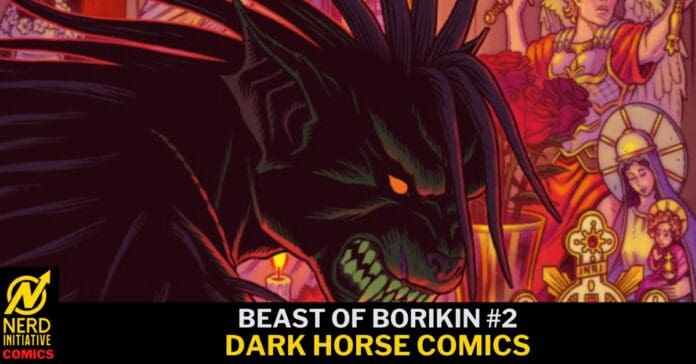
Loli learns the truth about Hupia in issue no.2 by Julio Anta, Daniel Irizarri, Patricio Delpeche & Lucas Gattoni from Dark Horse Comics.
TROUBLE IN PARADISE
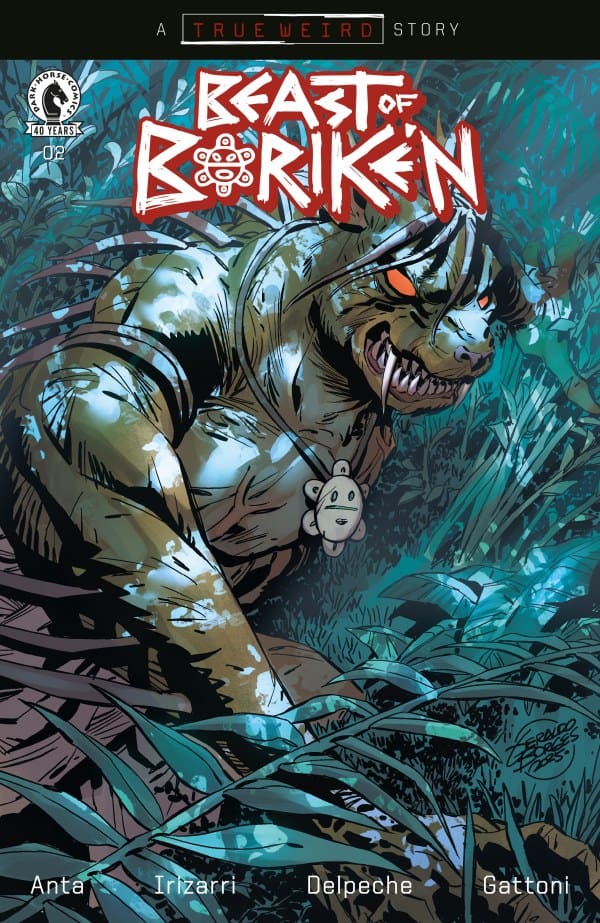
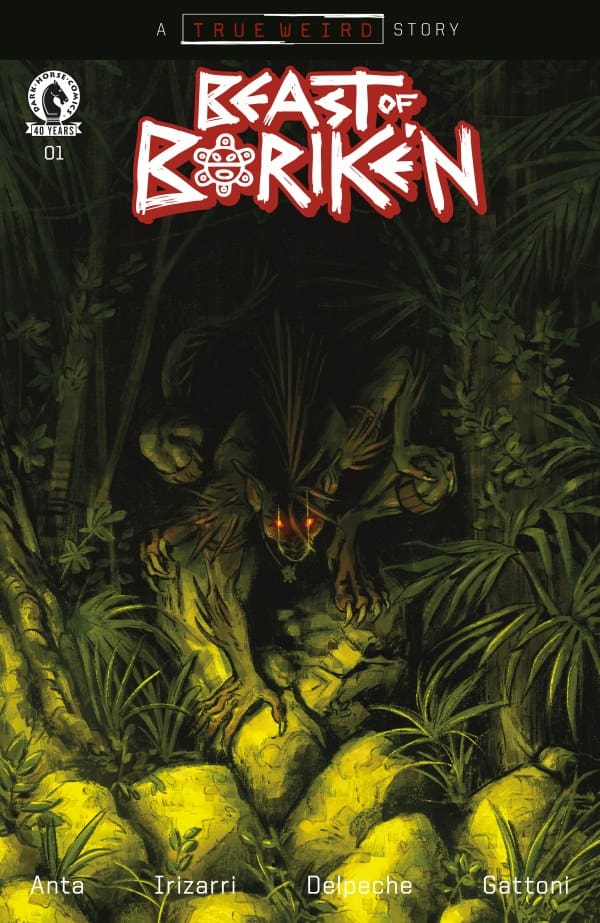
Previously, Beast of Borikén came out swinging by re-imagining the legend of El Chupacabra. The creature is the embodiment, or perhaps the spirit of resistance of “la Isla del Encanto”. The creative team pulled no punches. This comic book is a commentary of the uphill battle Puerto Ricans have in their own home in regards to natural resource and environmental protection.
LOLI THE ACTIVIST
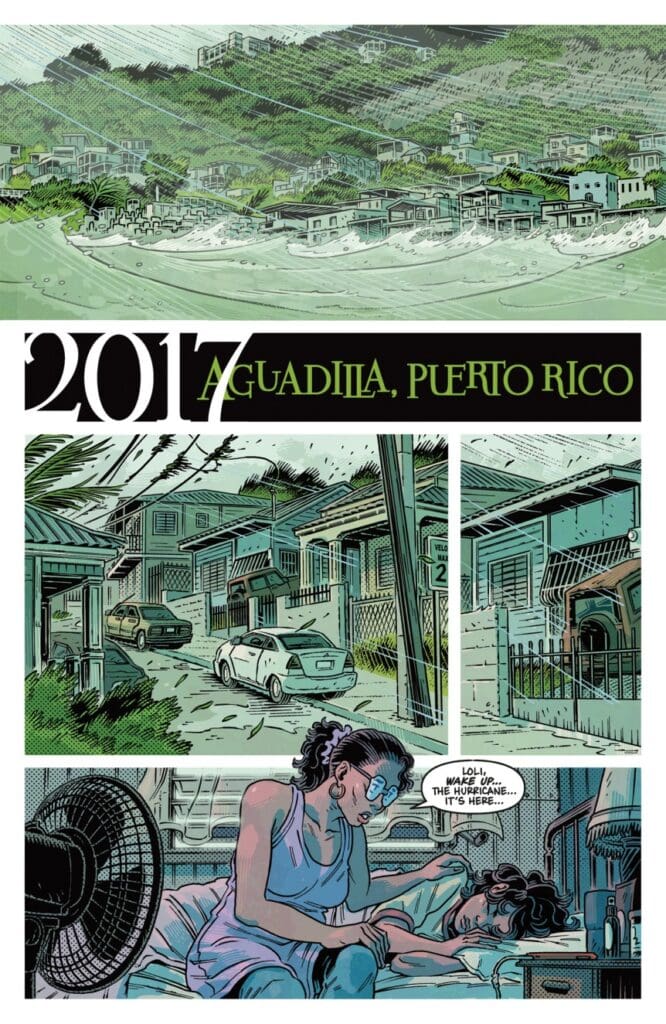
Our protagonist Loli has her work cut out for her. Loli is doing everything in her power to stop foreign developers from tearing down and constructing over protected land. However, as you may already know, with foreign investment comes the kind of influence and power that local elected officials bend over for. The laws, regulations and rules be dammed.
THE ISLAND’S PROTECTOR
Unfortunately for this project, once they started to drill away at the site, they disturbed an ancient spirit that laid in somber. A mythical entity that few know about, and even less have seen. The beast of Borikén will not sit idly by as they tear down it’s home. From the harsh colonial time to the modern day, this Beast has protected the island with ferocious tenacity. Fending away anyone who’s threatening Borikén.
*SPOILERS FOR ISSUES #2*
SOLICITATION:
“After the mysterious attack at the construction site, Loli and her best friend Blanca dig into the history of el Chupacabra in Puerto Rico and its historical ties to the island. A visit to an Espiritista at a botánica gives Loli a far deeper understanding of the creature and some insights toward their intertwined goals and destinies.”
LA BOTANICA
I’d love to talk about the plot of issue #2 with our fellow readers. But, I would be remiss if I passed on the opportunity to highlight the portraying of Santeria in the pages of issue #2. Santeria, Brujeria, Paleros, Brujos, Espiritistas, etc. are all remnants from the beliefs and religions of West Africans slaves who came to the Caribbean colonies. African slaves were forced to convert to Catholicism or die by the hands of the colonizers.
SYNCHRONISM
However, the spirit of the African slave was strong and their resiliency was underestimated. Unbeknownst to the slave masters, colonizers and the catholic church officials the slaves started using the imagery of key figures of the Church like saints to worship their African gods in secret. This secret practice of rebellion and worship evolved through the centuries as both a cry of ownership and a stand against oppression.
TABOO
Unfortunately, the religions and practices that come from this synchronization are still frowned upon and very much taboo today. Unless you’ve grown up in a home that openly practices you wouldn’t know much about it besides the stigmas and the misinformed stereotypes.
EDA’s THOUGHTS
Just like with the first issue, I was in total awe of the plot. This series continues to have a lot to say about colonization, but also the importance of culture to Puerto Rico and its people. As a witch, I had very little idea of what Santeria is and what hupia are. However, this issue not only delves deep into those things, but makes the reader do the research.While this is meant to be a horror story, I feel as if I’m learning a lot about Puerto Rican history and culture as well as the impact of the outside world. There’s so much that goes on outside of your personal bubble, you just have to be willing to burst it or expand it. I feel very thankful that this series exists, as it’s helping me do that in a way that keeps my brain engaged more than any textbook ever could.
HOW ABOUT THE ART?
I’m very fond of the pencils by Daniel Irizarri and the colors from Patricio Delpeche. As a Boricua in the diaspora, this depiction of Puerto Rico’s flora, fauna and architecture brings me nostalgia. It’s quite apparent to me that these creators are going the extra mile to portray the true colors and visuals of the island. Nowhere is that more clear than inside LA Botánica.
Overall Grade: 10/10
FINAL THOUGHTS
Unlike most media depictions of these elements of Afro-Caribbean heritage, Beast of Borikén treats these religious and cultural practices with the dignity and respect that it deserves. Julio Anta is showing everyone the less talked about parts of our culture that are just as beautiful and rich as our music and our people.

Leave a Reply