
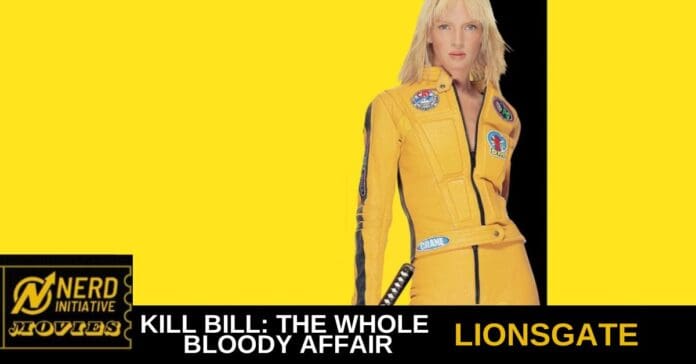
Tarantino hasn’t made many films over his thirty-plus-year career, but the ones he’s made have left an indelible mark. It’s been a little over twenty years since Tarantino’s Kill Bill premiered to legions of fans clamoring for a new film by the eccentric director. When the film was released, Tarantino hadn’t released a movie since 1997’s Jackie Brown, his first and only adaptation of someone else’s work. While Tarantino had mostly stuck to crime films, Kill Bill was his first jump into directing a movie outside of that box. As the project ballooned into an epic, it was eventually suggested by Miramax to break the film up into two parts.
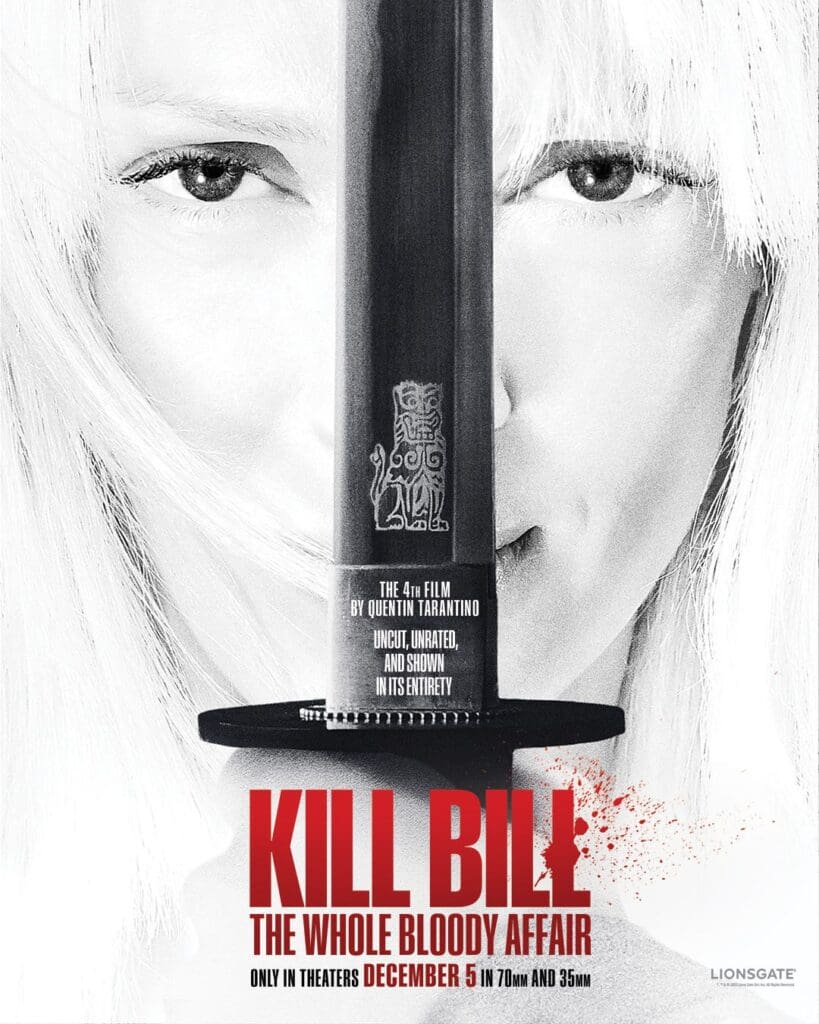
Whether it was for financial reasons or the finicky response from audiences to some of the older Hollywood epics. When movies like Cleopatra and Heaven’s Gate failed, they did devastating damage to their studios upon release. Tarantino is no stranger to long run times, as we’ve seen with his later filmography. His films harken back to a time when Hollywood did take risks. Kill Bill is Tarantino at his most ambitious, but also at his peak. This was the point where Quentin Tarantino’s movies became events.
Fox Force Five
Kill Bill tells the story of B****** (Uma Thurman), a pregnant bride with a sordid past as an assassin. Just before her wedding she and her wedding party are ambushed by her former boss and lover, Bill (David Carradine). When he rest of the Deadly Viper Assassination Squad show up uninvited, they shoot up the wedding party. After surviving a gun shot to head, she wakes up from coma decides to go on a path of vengeful destruction to make everything square in her mind.
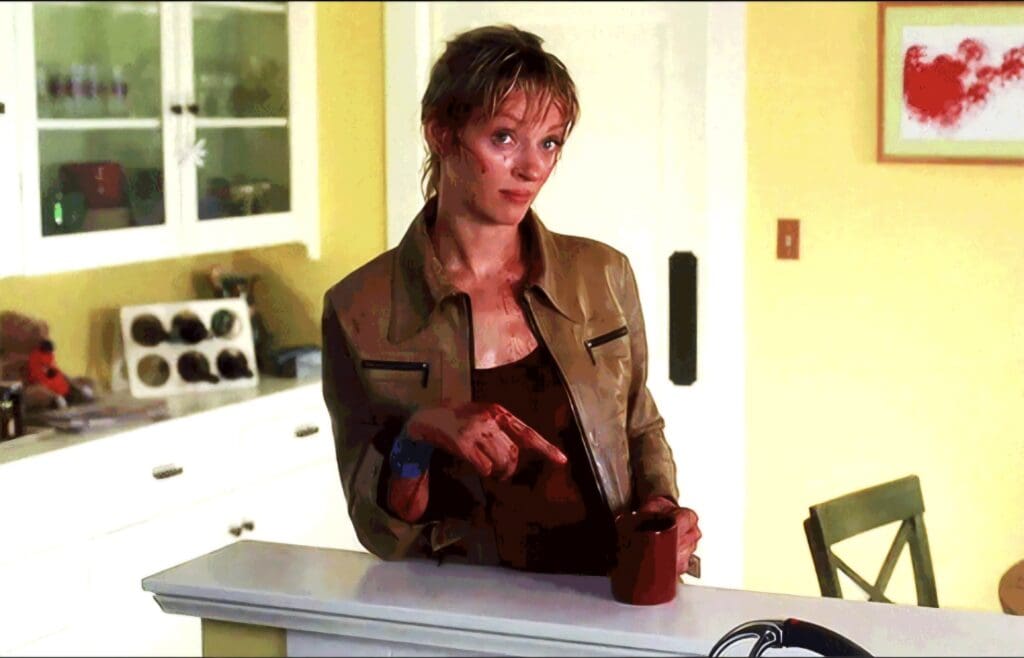
The concept for Kill Bill was partially based on the Fox Force Five, a fictionalized TV show starring Thurman’s Pulp Fiction character, Mia Wallace, parodying Charlie’s Angels. Screenings of Kill Bill: The Whole Bloody Affair have been shown sporadically at Tarantino’s New Beverly Theatre in Los Angeles. However, this is the first time it has been widely released as one film, just as the director had envisioned it.
Volume 1
From the first fight inside the suburban home of Vernita Green (Vivica A. Fox) in Pasadena to the showdown with O-Ren Ishii (Lucy Liu) at the House of Blue Leaves, the first half of Kill Bill still feels as exciting, visceral, and brutal as it did when I went on to see it on opening weekend. The Bride’s path of destruction and revenge deviates in a few places. Some of the changes are subtle, but others, like recolorizing the battle with the Crazy 88s and showing Sofie Fatale’s other arm cut off, are more noticeable. O-Ren Ishii’s anime origin holds up well. The scenes added to it don’t bog this section of the movie down one bit.
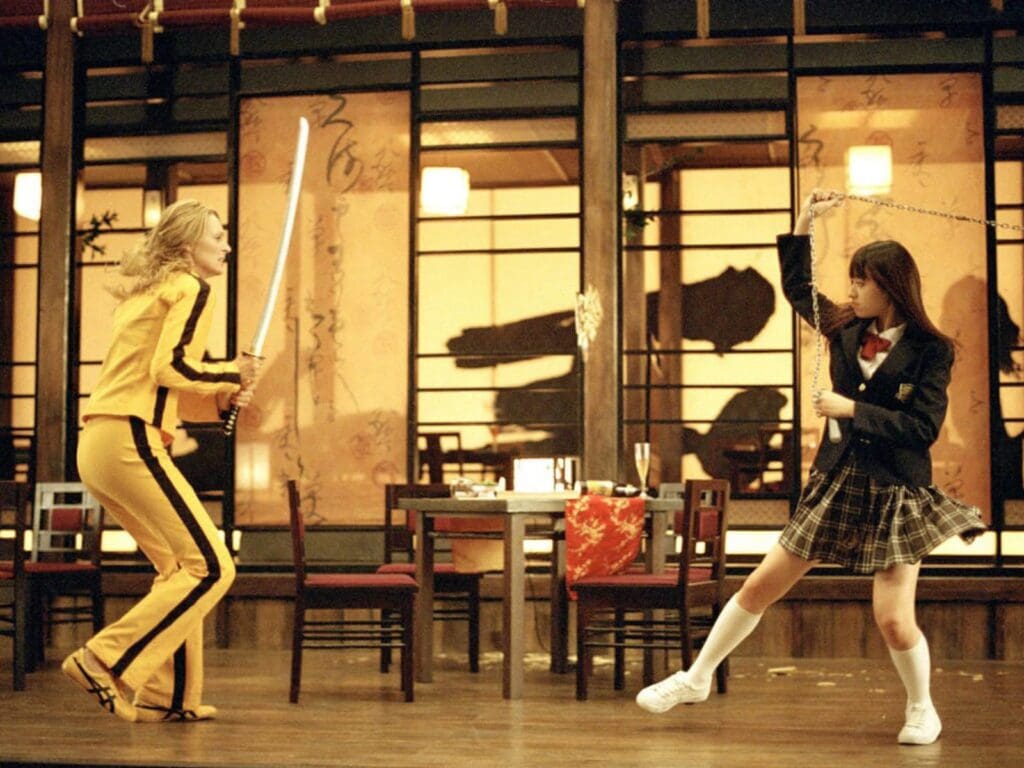
I forgot how much humor is sprinkled throughout Kill Bill. Sonny Chiba as Hattori Hanzo in the sushi bar scene exudes so much charm. It’s a good way to ground the story ahead of the brutal fight the Bride has. As a singular movie, Kill Bill Vol. 1 is peak Tarantino. Despite the change in tone and genre midway through from a blood-spurting kung fu flick to a tension-filled spaghetti western, it’s surprisingly well done.
Volume 2
After the decimation of O-Ren Ishii’s Crazy 88s in Japan, the audience gets a fifteen-minute intermission. This leads to one of the quietest scenes of the movie: where the previously faceless Bill confronts the Bride before the massacre in the church. making the midpoint of this cut the beginning of the story chronologically. When the entire story of Kill Bill is laid out before you, the way the film is sequenced is the stuff of genius.
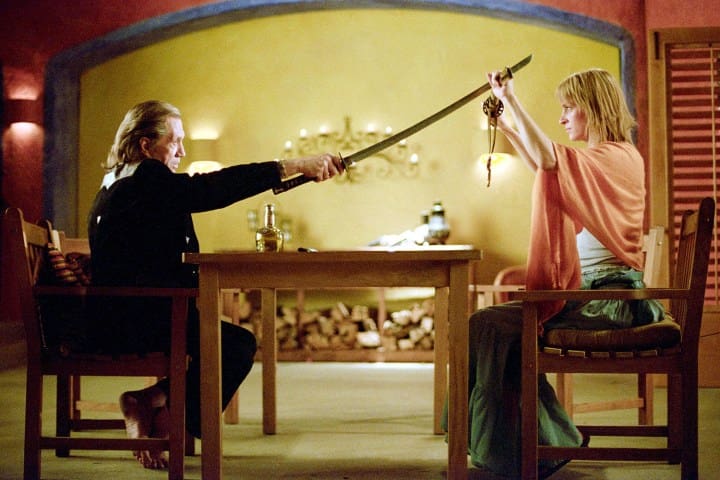
The second half of Kill Bill: The Whole Bloody Affair is a quieter movie, but it is much more intense. The Bride has made great headway on her list. However, the news of her vengeance has reached Bill and the remaining members of the Deadly Viper Assassination Squad. Budd (Michael Madsen) and Elle (Daryl Hannah), are ready for whatever she brings.
While much more character-driven than the film’s first half, this second part is an exercise in showdowns. Overall, there is a complaint that there is a tease of big fights with Bill’s and Vernita’s section in the first half that don’t come to fruition, as are resolved quickly. Especially after the caliber of fight choreography during the Bride’s battles with Oren and Elle. Yet, I think it’s the right choice for the type of movie Kill Bill Vol. 2 resolves to be.
The Lost Chapter
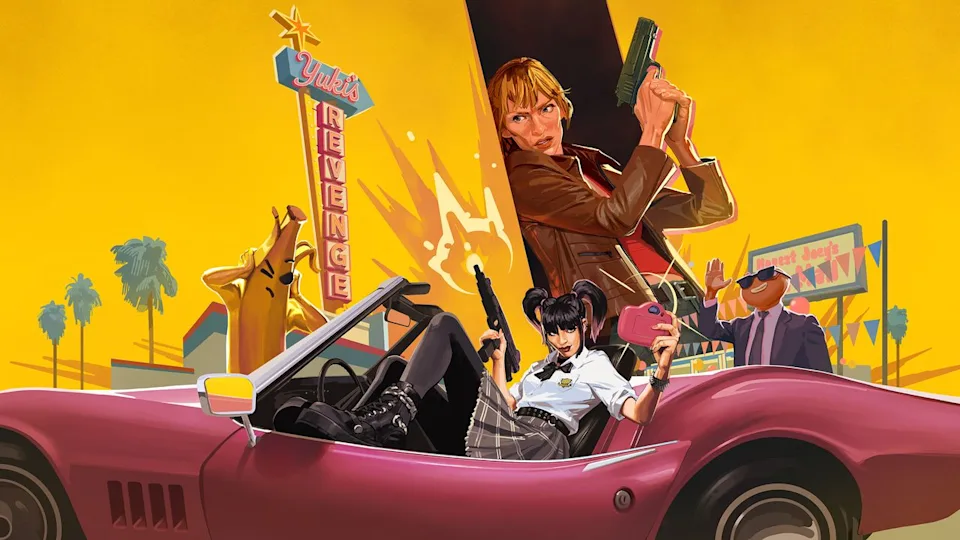
The most bizarre aspect of this release is that it includes a post-credit scene taken from a portion cut out of the original script. It’s not unusual to add a scene that had initially been cut out in a newer cut of a movie. The weird part comes from the fact that it was animated through Fortnite.
This “lost chapter” sends Gogo Yubari’s twin and equally insane sister, Yuki, to Los Angeles to get her own revenge after her sister’s death at the House of Blue Leaves. The Bride tries to survive Yuki’s attempts on her life amid a carousel of cameos from Fortnite characters. The scene was fun for what it is, but it was cut for a good reason. It doesn’t fit anywhere, let alone as a tacked-on post-credit scene.
Gone, But Not Forgotten
We’d be remiss if we didn’t talk about the talent who had passed away since the film was released, David Carradine (Bill), and frequent collaborator Michael Madsen. The film also gave Tarantino the opportunity to work with two of his heroes: Street Fighter star Sonny Chiba as sword maker Hattori Hanzo, and underrated actor Michael Parks, who pulls double duty with a role in both volumes as Texas Ranger Earl McGraw and retired pimp Esteban Viajo. Behind the scenes, we lost Tarantino’s editor, Sally Menke, in 2010, making Inglourious Basterds the last film of Tarantino’s she’d worked on before her death.
Overall Grade 9/10
Kill Bill is a movie I’ve spent a lot of time with. I had some reservations about changes to movies I was familiar with earlier this year after seeing the R-rated version of the Norm MacDonald comedy, Dirty Work. It’s not to say that it wasn’t a good cut; the jokes put back in were fine, but I don’t think it would have been the cult comedy classic it eventually became. I feel the same way about this cut of Kill Bill. It wouldn’t be the same.
Quentin Tarantino has been making the rounds to promote Kill Bill: The Whole Bloody Affair and taking big swings with movie opinions this week, but it’s this scrutiny and hot takes that make (both volumes of) Kill Bill top-tier Tarantino. The Whole Bloody Affair doesn’t replace the original films, but reframes them. This only reinforces Tarantino’s command of any genre he chooses to tackle.
